
Roofing
Attic Ventilation and Attic Health
Shingles age from below as much as from above. Heat load, trapped moisture, and starved ventilation shorten roof life years before the surface shows it. An attic health check reads the half of the roof system most inspections never enter.
Updated October 11, 2026
Read This First
The short version
- An attic health check covers the half of the roof most inspections skip. It looks at ventilation, moisture, decking, and insulation.
- It checks ventilation balance and signs of moisture, such as rusted nail tips. It also looks at the decking from below and where exhaust fans end.
- Each finding is photographed and located, in the same dated photo record as the roof surface.
- The check comes with a standard Roof Shepherd inspection. It needs no separate visit or process.
- Better ventilation can lower energy bills, but savings vary by home. Treat it as a durability and comfort investment first, not a promise.
Ask for the attic check with your inspection: call or text 512-575-5052 or use Get Help.
Short version: 2 min. Full page: 4 min. Want the detail? Each section below opens with a tap, or switch to Full at the top to open them all.
Attic Health
Your roof’s lifespan is decided in the attic
What the check actually covers.
The check looks at ventilation, moisture, decking, insulation, and exhaust, with photos of each.
Ventilation balance
Intake at the soffits, exhaust at the ridge. The system only works when both sides flow: blocked or painted-over soffit vents starve the ridge, and hot air stalls in the attic. The check measures what exists against accepted intake-to-exhaust guidance for the roof area it serves.
Moisture and its fingerprints
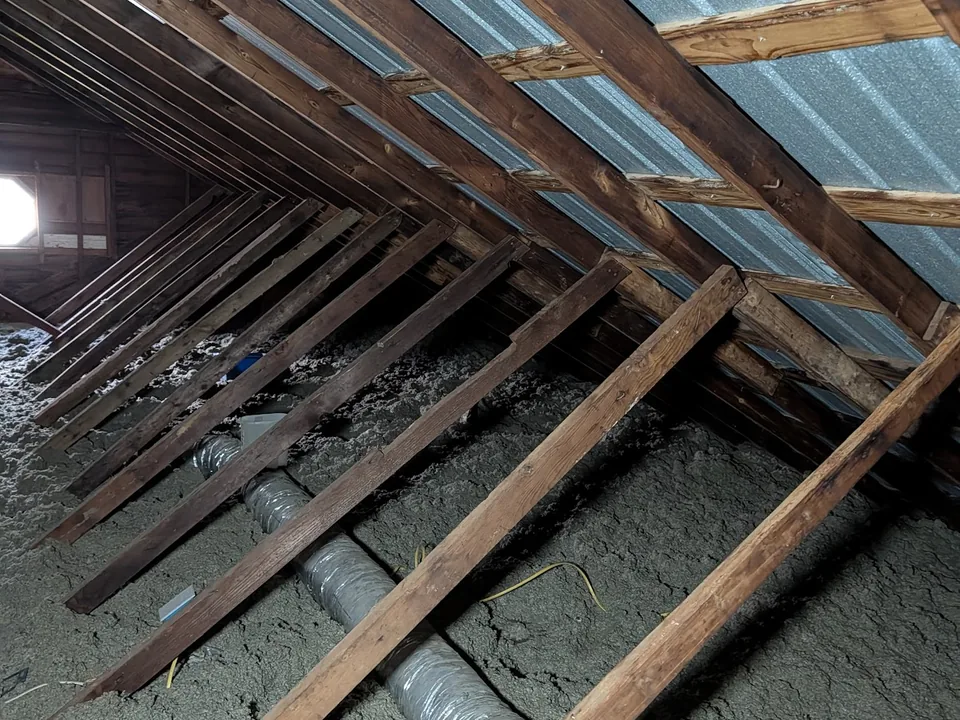
Rusted nail tips, matted insulation, mildew shadows on the decking, and lifted plywood plies are moisture history written in the attic. Each finding is photographed and located so you know where the problem lives, not just that one exists.
Decking read from below
The attic shows the underside of every leak path: daylight at penetrations, staining along valleys, and softened decking that a surface walk cannot feel. Problems appear here months before they appear on the ceiling.
Insulation and exhaust terminations
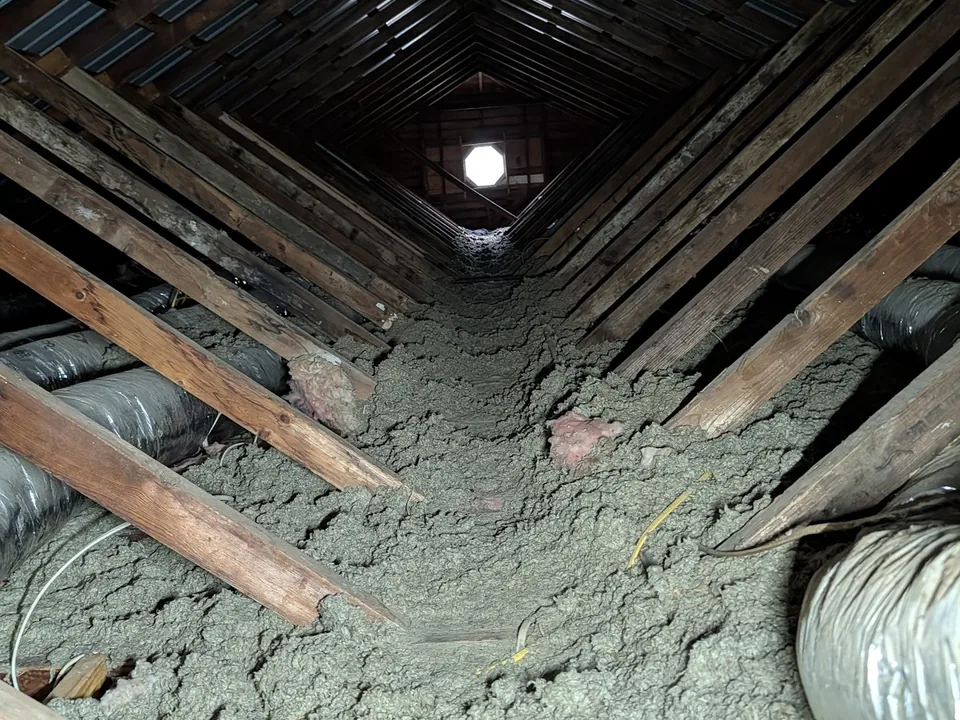
Bathroom and kitchen exhausts that end inside the attic instead of outside dump moisture straight onto the decking. Insulation depth and coverage decide the heat load the roof carries. Both are checked and documented.
The Texas Reality
Attic health in the Texas heat
Hot attics age shingles from below and humid air causes moisture, so good ventilation helps a roof last.
Intake, exhaust, and the balance between them
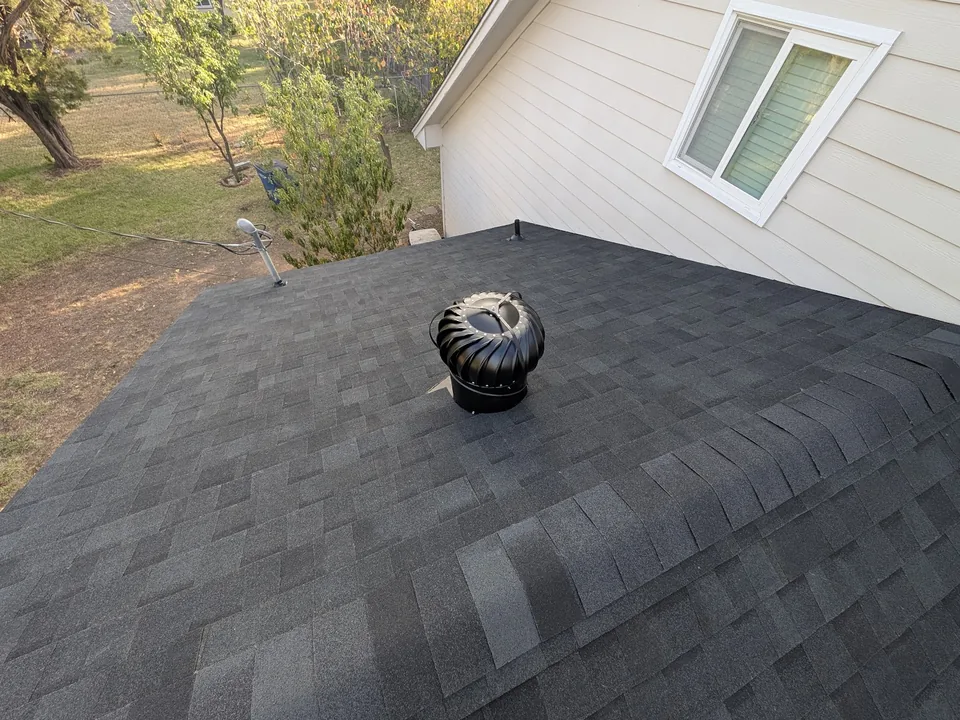
Attic venting is the working system behind the shingles: intake, exhaust, and airflow balance. Attic venting installation and attic venting repairs are documented first, then done by our crew. Texas attics run extreme. Summer attic temperatures accelerate asphalt aging from below, and the swing between humid air and air-conditioned ceilings drives condensation where airflow is weak. In this climate, ventilation is not a fine-tuning detail; it is one of the biggest levers a homeowner has over roof lifespan.
The attic health check rides along with a standard Roof Shepherd inspection, no separate visit and no separate process. The findings land in the same dated photo record as the roof surface, so you see the whole system in one report.
Where We Work
Attic ventilation work in Round Rock and nearby towns
The Roof Shepherd is based in Round Rock and works anywhere in Texas. These are the towns closest to home.
Field Photos
On the job
Photos from the field. Select one to enlarge it.
Field Videos
From the field
Real jobs, filmed and explained.
Field videos from real roofs, each with a short note on what the inspection or the work showed.
This Roof Can't Breathe, Kyle Texas
Ventilation failure on a Kyle roof, how inadequate attic airflow damages shingles from underneath and voids manufacturer warranties.
Watch on YouTubeRoof Leak Causing Wood Rot, New Braunfels Texas
Active roof leak in New Braunfels showing attic-level wood rot, secondary damage that compounds every month the leak goes undocumented.
Watch on YouTubeAttic & Ventilation FAQs
Common questions about attic health and ventilation
What are the warning signs of an attic problem?
Hot upstairs rooms, a musty odor, rusted nail tips, matted or discolored insulation, mildew specks on the decking, and shingles curling young on an otherwise healthy roof. Any one of them earns a look.
What does proper attic ventilation look like?
A balanced passive system: continuous intake at the soffits and continuous exhaust at or near the ridge, sized to the attic it serves, with nothing blocking the path between them. Mixed or mismatched vent types often work against each other.
Can ventilation problems cause what looks like a leak?
Yes. Condensation forming on cold surfaces inside a humid attic drips onto insulation and ceilings and reads exactly like a roof leak. The attic check tells the two apart, which changes the entire repair conversation.
Does adding more insulation always help?
Not when it buries the soffit intakes. Insulation blown tight into the eaves chokes the airflow the roof depends on. Baffles that hold the intake path open let you have both the insulation depth and the ventilation.
Is the attic check part of a normal inspection?
With The Roof Shepherd, yes. Many surface-only inspections never enter the attic, which means half the roof system goes unread. The attic findings are documented in the same dated record as the exterior.
Can better attic ventilation lower my energy bills?
It can help. A properly balanced attic runs cooler in summer and drier in winter, which eases the load on your cooling system and slows shingle aging from underneath. Actual savings vary by home, so treat ventilation as a durability and comfort investment first, with lower bills as a likely bonus rather than a promise.
Next Step