
Roofing
Active Roof Leaks: Find the Source, Stop the Damage
An active leak is a race against saturation, and the ceiling stain is rarely where the water enters. The Roof Shepherd traces the source, documents the conditions, and coordinates a repair that addresses the entry point.
Updated October 11, 2026
Read This First
The short version
- For an active leak, stop the water first, protect the interior, then find the true source.
- Where water shows inside is rarely where it enters, so a trace runs upslope from the stain, attic first.
- Most home leaks start at pipe boots, flashing, valley metal, nail pops and failed sealant.
- Photograph the damage before any repair, and do not climb onto a wet roof yourself.
- A person reviews every request, and active leaks get the earliest field visit we have.
Call or text 512-575-5052 so the source can be found and documented, or use Get Help.
Short version: 2 min. Full page: 5 min. Want the detail? Each section below opens with a tap, or switch to Full at the top to open them all.
The Texas Reality
Active leaks in the Texas market
After a storm, out-of-area contractors rush in, and a documented source trace keeps the scope to what is actually open.
After a storm, the market opens too
In Texas, the storm that opens a roof also opens the market. Hail and wind-driven rain create a rush of out-of-area contractors, and an active leak puts homeowners under pressure to sign quickly. A documented source trace before repair keeps the scope honest: you fix what is actually open, not what a sales estimate says might be.
Every request is reviewed by a person, and active-leak calls are prioritized for the earliest field visit available. The visit produces a confirmed entry point, a dated photo record, and a clear repair scope before any work is agreed to.
Where We Work
Emergency roof leak repair in Round Rock and nearby towns
The Roof Shepherd is based in Round Rock and works anywhere in Texas. These are the towns closest to home.
Field Photos
On the job
Photos from the field. Select one to enlarge it.
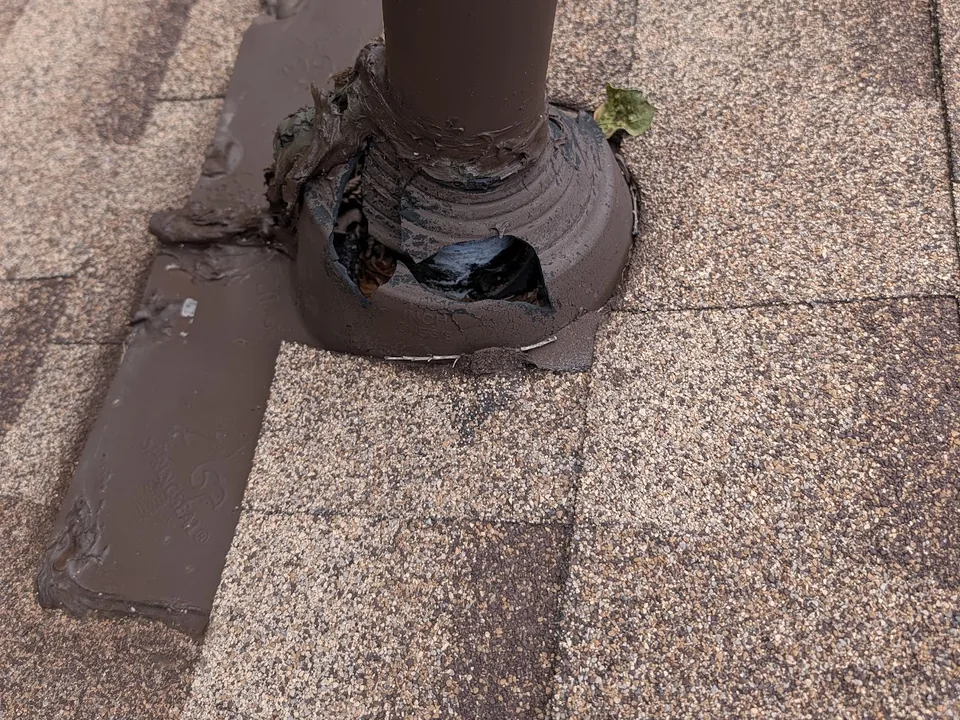
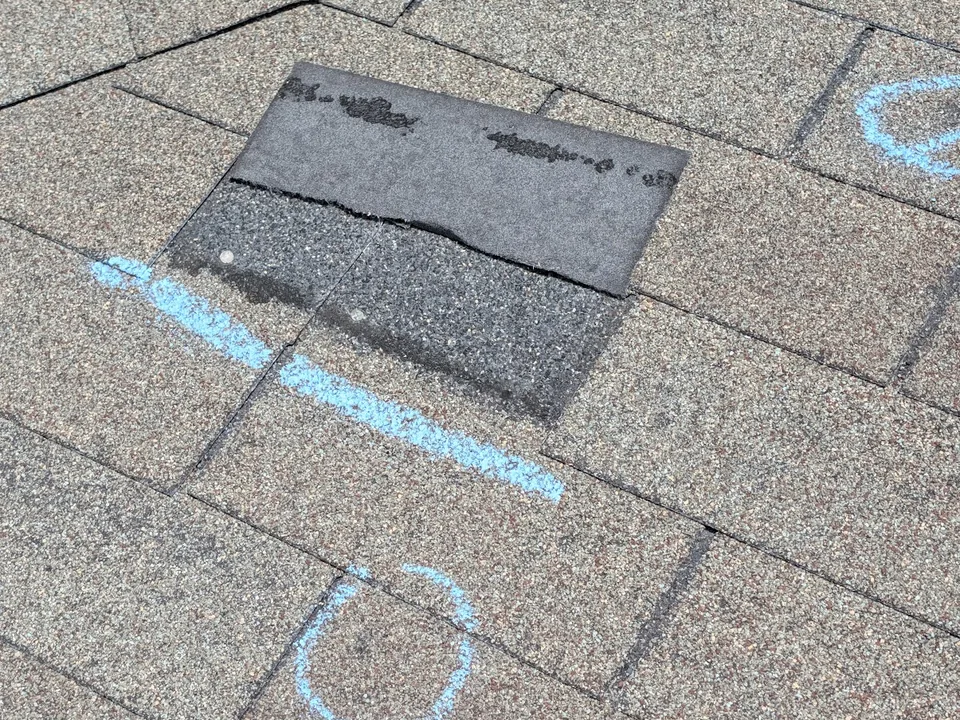
Field Videos
From the field
Real jobs, filmed and explained.
Field videos from real roofs, each with a short note on what the inspection or the work showed.
Roof Penetration Leak in Lakeway, Texas
A roof penetration leak identified in Lakeway, showing exactly where water is entering and what the documentation looks like.
Watch on YouTubeStove Pipe Flashing Leak Points, Cedar Park
Common roof leak points identified during a Cedar Park inspection, stove pipe flashing is where water finds its way in first.
Watch on YouTubeLeak Repair FAQs
Common questions about roof leaks and emergency repair
How fast can someone look at an active leak?
Every request is reviewed by a person, and active leaks are placed first in line for the earliest available field visit. In the meantime, contain the water, protect belongings, and photograph what you see; those first pictures strengthen your record.
Why does my roof only leak in heavy or wind-driven rain?
Intermittent leaks are almost always detail failures. Wind-driven rain pushes water past flashing laps, sidewall transitions, and vent boots that shed normal rainfall without trouble. The fix targets those details, not the whole roof.
Can a leak be repaired without replacing the roof?
Usually, yes. When the entry point is localized, a boot, a flashing section, a sealant joint, or a small shingle area, a targeted repair resolves it. A documented trace is what keeps the repair scope matched to the actual opening.
Will a temporary tarp damage my roof?
A properly anchored tarp protects the roof and the evidence. Careless tarping nailed through the open shingle field creates new penetrations that leak later. Controlled temporary protection is part of the craft, not an afterthought.
What does the leak documentation include?
Dated photographs of the interior damage, the attic water path, and the confirmed exterior entry point, with written notes on conditions. The record is yours to keep, and usable however you choose.
What should I do in the first hour after I find an active leak?
Move electronics and valuables out from under the drip and place a bucket. If a section of ceiling is bulging, and only if it is safe, poke a small hole to let trapped water drain in one spot instead of spreading. Photograph everything before you clean up. Do not climb onto a wet roof yourself. Then call so the true source can be found and documented before more water gets in.
Next Step