Storm Chaser Guide
How to Spot a Storm Chaser in Texas
After every major hail event, out-of-state crews canvass Texas neighborhoods with high-pressure contracts. This guide shows exactly how to identify them and how to protect yourself before any roofing conversation begins.
Updated November 1, 2026
Read This First
The short version
- A storm chaser is a roofer, often from another state, who shows up within 24 to 72 hours of a hail storm and pushes you to sign the same day.
- Never sign anything at the door on first contact. That includes an Assignment of Benefits, a Direction to Pay, a contingency agreement, or a blank contract.
- A deductible waiver is a crime in Texas. Offering to pay, waive, absorb or rebate your deductible is a Class B misdemeanor, and TDI says violators can be fined and jailed. Texas Insurance Code Section 4102.163 says a contractor may not act as a public adjuster, or advertise to adjust claims, on property it works on or may work on.
- Texas has no state roofing license. Before you sign, ask for proof of insurance, local business history, a maker certification letter, and a written scope.
- The Roof Shepherd does not knock on doors and comes by appointment. A documented roof record gives you a baseline before you sign for any work.
Before you sign anything, ask for a documented look: call or text 512-575-5052 or use Get Help.
Short version: 4 min. Full page: 14 min. Want the detail? Each section below opens with a tap, or switch to Full at the top to open them all.
How Storm Chasers Operate
The storm chaser playbook in Texas
Storm chasers arrive within 24 to 72 hours, push same day signatures, and are gone when a problem shows 18 months later.
They Arrive Within 24 to 72 Hours
They show up fast, right after a storm. Storm chasers watch NOAA hail reports and deploy crews immediately after a significant event. By the time your neighbor is mentioning it, they are already canvassing Forest Creek, Teravista, Brushy Creek, and every other established neighborhood in the corridor. The speed is not a sign of local responsiveness. It is a sign of a national operation that follows the storm map. Before anyone knocks, it helps to have your own storm damage record already in hand.
They Push for Same-Day Signatures
The pressure to sign before you think is not accidental. A same-day signature locks the homeowner into a contract before basic verification is possible, before you can check their references, verify their insurance, confirm their local address, or compare a second bid. Phrases like “we only have openings this week” and “the deductible isn’t something you need to worry about” are designed to accelerate a decision past the point where you would normally pause.
They Leave When the Work Is Done
The real danger comes later, not during the job. The worst part of hiring a storm chaser is not the initial work. It is what happens 18 months later when a workmanship issue appears. A storm chaser operating under a temporary trade name from a virtual address in another state is not coming back to honor a warranty. The local address on their card may be a mail-forwarding service. By the time you need them, the number is disconnected. What the manufacturer covers, and what the installer covers, is laid out in how roofing warranties actually work.
After the Storm
Why do I keep getting calls about roof inspections?
After hail, lead sellers map the storm and sell the addresses inside it; the calls are sales calls.
The short answer
Because hail fell near you and your address is on a list. After a storm, lead companies map the hail swath from radar and sell the addresses inside it to roofers and call centers. A cold call offering an inspection is a sales call. Join the Texas and national no call lists, then pick a roofer from a written record.
How your address got on the list
Storm lead sellers watch the same NOAA reports we do. Within a day of a hail event they map the swath, pull the property records inside it, and sell them as “storm damage leads” to anyone who pays. Call centers, some out of state, work those lists with auto dialers. The caller usually has never seen your roof. The pitch is built to get a truck in your driveway, where the sale is made at the door.
How to make most of them stop
Register the number on the National Do Not Call Registry at DoNotCall.gov or 1-888-382-1222; registration never expires and the FTC says it can take up to 31 days for sales calls to stop. Add the Texas No Call List at texasnocall.com, which is sponsored by the Public Utility Commission. Neither list stops scammers, political calls or a company you recently did business with, so the rest you decline and report at DoNotCall.gov.
What to say when one gets through
You do not owe a caller a yes. Ask for the company’s legal name, a local street address and who the installer will be, then say you will call back, and do not. Never give a caller your insurance company or policy number. If you want the roof looked at, pick the roofer yourself from the checks in the choosing a contractor guide. Within about 30 minutes of Round Rock our roof inspection is $50, and $100 out to about an hour, paid at the visit; call or text 512-575-5052, and you get a written report either way.
Red Flags to Look For
What storm chasers ask you to sign and say
Do not sign an AOB, a Direction to Pay, a contingency deal, or a blank contract, and doubt deductible waivers.
Documents That Transfer Your Rights
The most dangerous documents in a storm chaser’s toolkit:
- Assignment of Benefits (AOB)Transfers your insurance claim rights to the contractor. They can negotiate, sue the insurer, and collect your payout directly without your further involvement.
- Direction to PayDirects your insurer to pay the contractor directly. Sounds convenient; removes your ability to verify the work before payment releases.
- Contingency AgreementMakes you financially responsible for the full project cost if the insurance claim is denied, even if the contractor told you the claim was certain to be approved.
- Undated or blank contractsAny scope of work with quantities, materials, or prices left blank is a document that can be filled in after you sign it.
Rule: Never sign anything at the door on the day of first contact. A legitimate contractor does not need your signature before you have had time to read what you are agreeing to. Storm-season pressure is covered in what the storm left behind.
Verbal Claims That Should Raise Flags
- “Your deductible is covered” or “we’ll waive your deductible.” A deductible waiver is a crime under Texas Business and Commerce Code 27.02. A contractor who offers it is either operating illegally or making a promise they cannot legally keep.
- “We work directly with your insurance company.” Contractors cannot negotiate or represent you in an insurance claim; Texas Insurance Code Section 4102.163 makes it illegal. Only a licensed public adjuster or an attorney can do that. If a contractor claims to handle the full claims process on your behalf, treat it as a red flag: Texas law bars a contractor from acting as a public adjuster on a property it works on, licensed or not.
- “This offer is only good today.” Time pressure is a sales tactic. Roofing demand after a storm is high, but a company that can only offer a fair price under same-day pressure is not offering a fair price.
- “We do not need a permit for this.” Structural roofing work in most Texas municipalities requires a building permit. A contractor who skips it is avoiding the inspection that protects you.
- “We’re from [local landmark], been here for years.” Verify the address independently. Search the business name on BBB.org and check when the profile was created. A company that has been local for years will have a history you can verify, not just a claim you have to take on faith.
How to Verify a Roofing Contractor
The five things a legitimate contractor can produce immediately
A real contractor can show local roots, insurance, credentials, a maker letter, and a written scope.
1. Verifiable Local Identity
A storm chaser appears the week after a storm and is gone by the next season. A legitimate local operator leaves a verifiable trail: a registered Texas business entity you can look up, a consistent local phone number, a business history that predates the storm, and reviews tied to the area. Verify the business identity, not just a logo on a truck, before you trust it. A local operator can also show you the field records from work already done nearby.
2. Active Insurance Certificate
Ask to see proof of insurance. The Certificate of Liability Insurance is a one-page document listing the insurer name, policy number, coverage amounts, and expiration date. Then call the insurer directly to confirm the policy is current. This takes five minutes and is hard to fake. A contractor who cannot produce this document or objects to you verifying it directly should not be on your roof.
3. RCAT Membership and Other Credentials
Texas does not require a state roofing license. The Roofing Contractors Association of Texas (RCAT) offers voluntary credentialing at rcat.net. It is not a regulatory credential, but it is verifiable and provides a searchable member directory. A company with no RCAT membership, no BBB history, and no verifiable local address has provided you zero independently verified signals of legitimacy. What to verify instead is covered in choosing a roofing contractor.
4. Manufacturer Certification Document
You can check a certification claim in minutes. If a contractor says they are “Owens Corning Preferred” or “GAF Certified,” ask for the current certification letter from the manufacturer, not a brochure or a sticker. Manufacturer programs are searchable: GAF’s contractor locator and Owens Corning’s contractor finder both allow you to verify certification tier by company name and ZIP code.
5. Written Scope Before Signature
Get the full scope in writing before you sign. A line-item proposal names materials by product name and manufacturer, quantities, project timeline, payment schedule, cleanup responsibilities, and warranty terms. This document should be in your hands before any conversation about signing a contract. Storm chasers frequently use one-page contingency forms that authorize them to start work without a detailed scope. That is the document that protects them, not you. If the numbers look far apart, what actually drives roof cost explains why two bids rarely match.
What to Do If You’re Unsure
Slow down and document first. Before you call any roofing contractor after a storm, get a documented condition record. The Roof Shepherd documents visible roof and property conditions before any repair is proposed, so you have a documented baseline that belongs to you. That documentation tells you what is actually present, which makes every contractor conversation that follows more informed and less pressured. That is exactly what a documented roof inspection produces, and you keep the file either way.
Know Your Rights
Does a roofer need a permit to knock on your door in Texas?
Door to door sellers, roofers too, usually must register and show a badge in most Texas cities.
In most Texas cities, yes, and it’s one of the fastest ways to separate a legitimate operator from a storm chaser. Commercial door-to-door sellers, roofers included, generally must register with the city and carry a solicitor’s permit or badge before knocking. Because Texas has no statewide roofing license, that city permit is often a homeowner’s first verification tool.
Ask to see the permit or badge
Cities that require registration expect solicitors to carry it and show it on request. No permit, or a refusal to show one, is a flag. If someone has already been on your roof, how a real inspection runs is the fastest way to judge what they told you.
Your “No Soliciting” sign has legal weight. Where a solicitation ordinance exists, a posted sign legally bars commercial solicitors from your door. If someone ignores it and you want a second read on your roof, ask for a documented look on your own timeline.
Check the hours. Nothing about a legitimate roof problem requires a decision that evening; see how we work.
Verify with your city secretary. A quick call confirms whether a company holds a current permit. Some cities even publish the active list.
Slow the conversation down. A permit doesn’t make a contract a good idea. Documentation before you sign protects your position either way.
For the record: The Roof Shepherd doesn’t door-knock. We come by appointment, education first, your decision always.
Why Texas Is Targeted
The I-35 corridor and the storm chaser economics
Hail along I-35 from Waco to San Antonio draws storm chasers to suburbs like Round Rock, so verify a roofer early.
1,582 NOAA hail reports in 2024 and 1,917 in 2023
Texas leads the nation in major hail events, according to NOAA Storm Prediction Center data. The I-35 corridor, from Waco south through Austin to San Antonio, sits directly in the primary spring supercell track. When a hail event hits a dense suburban area like Round Rock, Cedar Park, or Pflugerville, the economic opportunity for storm chasers is significant: high homeowner density, newer construction, and a homeowner population that typically has not dealt with a major hail event before. The same corridor is why we publish documented coverage by city, and why a documented roof inspection is the first step rather than a bid.
Post-hail canvassing is not illegal, but it creates conditions where uninformed homeowners make five-figure decisions under time pressure from contractors they met hours after a storm. The antidote is preparation: know what verification looks like before you need it, and have a documented condition record before you sign for any work.
Direct answer
Still have a question?
Ask it in plain English and get a straight answer now. Nothing is gated, and you are not handing over your details to read one.
No form, no callback
Ask it in plain English and get a straight answer now. Nothing is gated, and you are not handing over your details to read one.
When You Are Ready
When you are ready
Roof Inspections
Here is how we help. Before you sign anything a stranger put in front of you, a documented inspection from a Round Rock company with a fixed address gives you a dated record to compare it against.
Or call or text 512-575-5052.
Field Photos
On the job
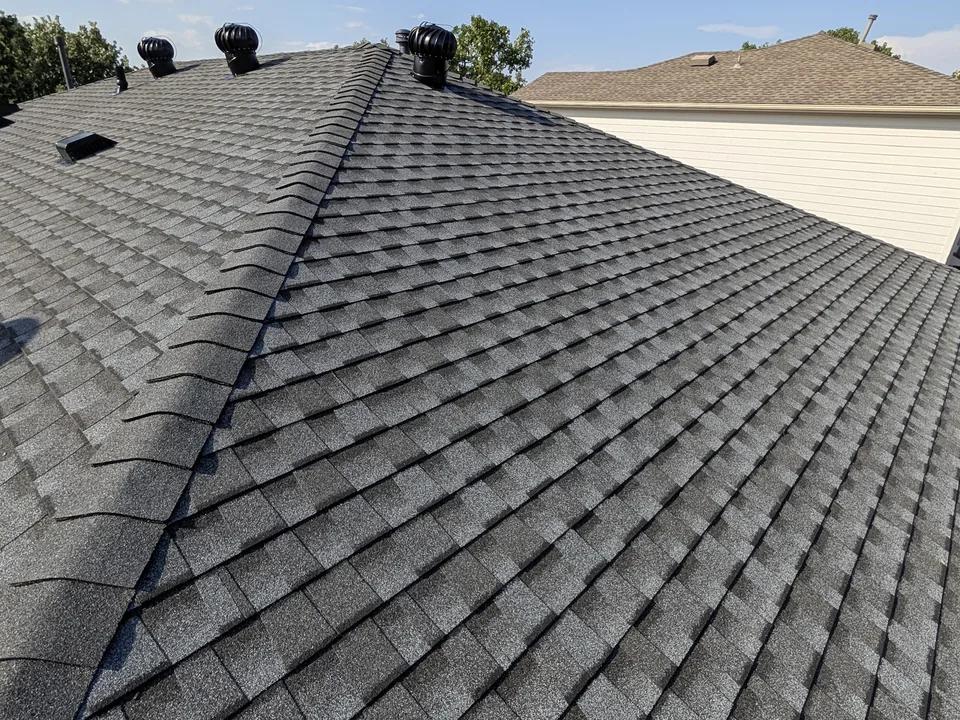
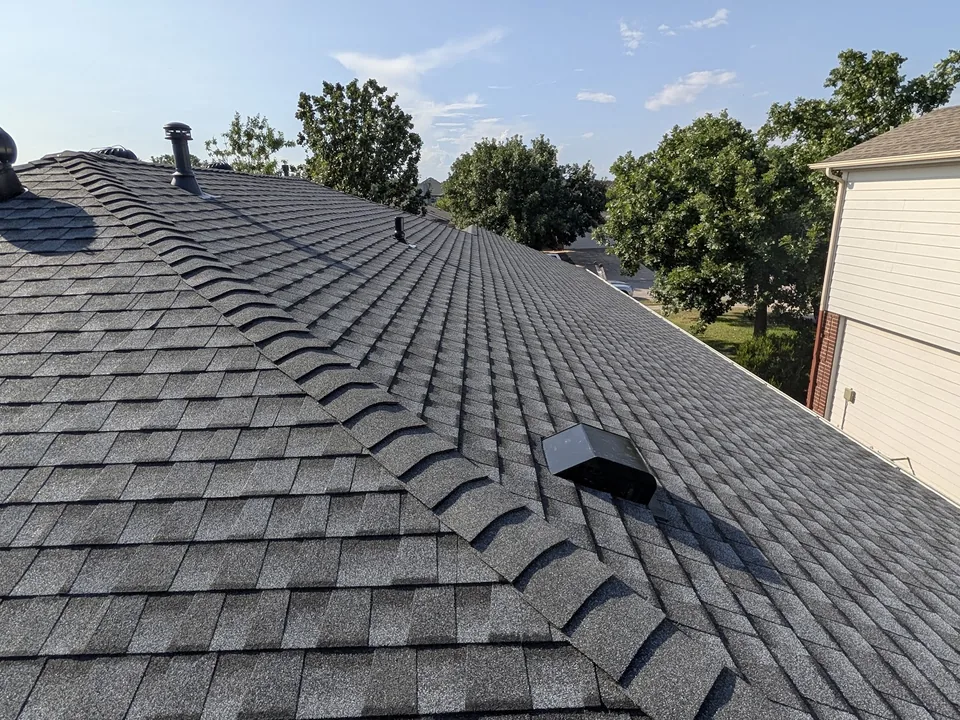
Photos from roofs we have worked on. Select one to enlarge it.
Field Videos
From the field
A real job, filmed and explained.
Door Knocking: Questions to Ask First, Round Rock, Texas
An explanation that a door knocker is not the danger, skipping the right questions is, and lists what to ask before saying yes to any roofer.
Watch on YouTubeQuestions About Storm Chasers
What Texas homeowners ask
What is a storm chaser contractor?
A storm chaser is a roofing contractor, often from another state, who deploys to a market after a significant hail or wind event. They canvass neighborhoods, use high-pressure tactics to get contracts signed quickly, and move on to the next market when the work cycle ends. They often lack local references, permanent local presence, and the ability to honor long-term workmanship warranties because the company will not be operating in the area when a warranty claim arises.
Does a roofer need a permit to knock on my door in Texas?
In most Texas cities, yes. Commercial door-to-door sellers, including roofers, generally must register with the city and carry a solicitor’s permit or badge, and many cities require them to show it on request. Texas has no statewide roofing license, so the city solicitor permit is often a homeowner’s first way to verify a door-knocker. You can ask to see the permit or identification card, post a No Soliciting sign, and check with your city (in Round Rock, the police department issues the cards) before you let anyone on the roof.
How do I verify a roofing contractor is legitimate?
Check for a verifiable business identity, a registered Texas entity, consistent local phone number, and business history that predates the storm. Search the company name on BBB.org and confirm the business profile matches. In Texas, check RCAT (rcat.net) for membership. Ask for their general liability insurance certificate with the insurance company name and policy number, then call the insurer to verify the policy is current. Ask for manufacturer certification documentation, not a brochure but the actual certificate. A legitimate local contractor can produce all of this without hesitation.
What should I never sign at the door after a hailstorm?
Do not sign an Assignment of Benefits (AOB), a Direction to Pay, or any document that transfers your insurance claim rights to a contractor before you have a written scope of work and have spoken with your insurance company. Do not sign a contingency agreement that makes you financially responsible if the claim is denied. Do not sign anything under same-day pressure. A legitimate contractor does not need your signature before you have time to read and understand what you are agreeing to.
Are free roof inspections from roofing contractors safe?
A free inspection from a contractor who profits from the work creates a financial incentive in the outcome of that inspection. That does not make every contractor dishonest, and it applies to us too: The Roof Shepherd is a roofing contractor and is paid when you choose work. That is why an inspection from The Roof Shepherd comes with a photo-backed record you can verify yourself, and a plain account of how The Roof Shepherd is paid if you choose to move forward. For major decisions, a documented inspection before any repair decision is the safest baseline.
What is the difference between a storm chaser and a local roofing contractor?
A local contractor has a verifiable permanent address in or near the market, carries insurance with that address on file, has a BBB profile with history, and, if it claims a manufacturer certification, can show it in the company name. A storm chaser frequently operates under a temporary trade name, has no local BBB history, cannot provide verifiable insurance documentation, and applies pressure tactics specifically because they need to close deals before the homeowner can do basic verification.
Does Texas require roofing contractors to be licensed?
No. Texas does not have mandatory state roofing licensing. This is why verifying RCAT membership, manufacturer certifications, and active insurance is particularly important in Texas: there is no state licensing board to filter out illegitimate operators. The absence of a required license makes independent verification by the homeowner the primary safeguard.
How can I tell if a roofing contractor is being dishonest with me?
The clearest signals are behavioral, not verbal. A contractor who pressures you to sign before you have read the contract is protecting their interests, not yours. A contractor who cannot provide an insurance certificate on request, or objects to you calling the insurer to verify it, has something to hide. A contractor who claims your deductible is “covered” is either breaking Texas law or making a promise they cannot legally keep. A contractor who shows you damage photos but will not let you be present during the inspection controls what you see. The consistent pattern: dishonest contractors reduce your ability to verify, compare, and decide on your own timeline. Legitimate ones do the opposite.
Before You Sign Anything