
Roofing
Book a Roof Tune-Up, Starting at $500
Routine roof maintenance catches small issues before they become expensive repairs. We clear debris, reseal exposed nail heads and flashing, check vents and known problem areas, and document everything with photos. You keep the report.
Want the deeper why behind the cadence? Read our roof maintenance guide for Texas homes.
Updated October 13, 2026
Read This First
The short version
- A roof tune-up starts at $500 for a typical Texas home within about an hour of Round Rock.
- Farther out, add the same travel as an inspection, so a tune-up starts at $640, $780 or $960 by round-trip drive.
- The visit clears debris, reseals exposed nail heads and aging flashing, checks vents and pipe boots, and ends with a dated photo report you keep.
- An inspection is a diagnosis that repairs nothing, a tune-up is the work, and the inspection is free near Round Rock.
- A tune-up maintains a roof but does not extend one that is already failing, and we say so when the photos show it.
To book a tune-up, use Get Help or call or text 512-575-5052.
Short version: 3 min. Full page: 11 min. Want the detail? Each section below opens with a tap, or switch to Full at the top to open them all.
The Service
The roof tune-up: what the visit covers
A scheduled maintenance visit for a roof that is not leaking, starting at $500 for a typical Texas home. Debris cleared, flashing and pipe boots resealed, vents and fasteners checked, every step photographed, and the report is yours whether or not anything needs fixing. If you want the full explanation of what a tune-up is, how often a Texas roof needs one and what you can check yourself, that lives in our roof maintenance guide, linked above. This page is the service.
A tune-up from $500 clears debris, reseals flashing and nail heads, checks vents and boots, and ends in a photo report.
Sealants, boots, and flashing
A roof maintenance and tune-up visit is preventive care for the most exposed surface of your home. We clear accumulated debris from the field, valleys, and penetrations, reseal exposed nail heads and aging flashing, check vents and pipe boots for cracking, and walk the known problem areas: chimneys, skylights, transitions, and anything a previous repair touched.
Every condition we find is photographed and written up in plain language. The report is yours to keep. If something needs a real repair, you will know exactly what and why. If nothing does, the report says that too, and the visit ends there.
Included every time
- Debris cleared from the field, valleys, gutters at the roof edge and around every penetration.
- Exposed nail heads and aging flashing resealed; pipe boots and vent collars checked for cracking and replaced when they have failed (parts quoted first).
- Chimney, skylight, wall and transition flashings walked and photographed.
- Attic-side check where there is access: daylight, staining, blocked intake.
- A dated photo report in plain language, yours to keep, with anything larger documented for you to decide on your own schedule.
Not included: repairs beyond resealing and small parts, roof washing (high pressure strips granules), and anything that needs a written scope. Those are separate visits, and the report tells you when one is warranted.
The Approach
Small fixes now, not big invoices later
Sealants dry out years before shingles do, so small fixes now prevent decking repairs, and bigger work is quoted apart.
How Texas weather ages a roof
Heat, wind, and hail age a roof unevenly. Sealants dry out years before shingles do, and a small bead of sealant left open becomes a decking repair after enough storms. The flashing and penetrations guide shows which sealant joints fail first on a Texas roof. Routine maintenance exists to close that gap.
There is no upsell built into this visit. Maintenance work is scoped to what the roof actually shows, and anything larger is documented and explained so you can decide on your own schedule. Larger repair work, when you choose it, is done by the Roof Shepherd team.
Where tune-ups start
Roof tune-ups and small repairs start at $500 and go up from there. That is for homes within about an hour of Round Rock. Farther homes add the same travel as an inspection, so a tune-up starts at $640, $780 or $960 by the round-trip drive (see the inspection price table). Near Round Rock the inspection is free. Had a paid inspection with us farther out in the 30 days before? Half the inspection price comes off, and if both happen on the same trip you pay the travel once. A tune-up is scheduled work rather than an emergency callout, so the visit is spent on the things that fail first in Texas: sealant at penetrations, loose or backed-out fasteners, flashing laps, and debris holding water where it should be draining.
What moves the number is roof size, pitch and access, how many penetrations there are, and what the visit finds. Anything beyond the scope gets documented and quoted separately rather than added on the day.
The Schedule
Every two years, and what the visit looks for
A tune-up every two years, an inspection every two years, and a look after any major hail or wind event.
Late winter, before hail season
A Texas roof does not age at a steady rate. It ages in bursts, tied to the weather that arrives in a given season, and the damage from one season often does not show itself until the next one tests it. The house position is a tune-up every two years and an inspection every two years, plus a look after any major weather event: hail of one inch or greater, or wind of 60 miles per hour or greater. Whatever season the visit lands in, these are the four things it looks for.
This is the most important timing of all. Hail activity around Round Rock concentrates in spring, and the goal is to enter that window with no open sealant, no lifted flashing, and no loose penetration boot. A roof that is tight in February handles a March storm very differently from one that is not.
Early summer, after the storms. Hail and wind damage is frequently invisible from the ground and easy to miss from a ladder. A look after a storm exists to document what the spring left behind, whether or not you plan to do anything about it. A dated photo record of your roof's condition after a storm is worth having regardless of what you decide next.
Late summer, through the heat. Texas summer is a thermal cycling problem more than a water problem. Surfaces expand under direct sun and contract overnight, and the components that fail first are the ones that cannot move: sealant beads, pipe boot collars, and the exposed fasteners on flashing. The summer check is mostly about those.
Autumn, before the wet months. Debris clearing matters most here. Valleys and gutters that are packed going into a wet stretch hold water against the roof surface instead of moving it off, and standing water finds every seam eventually.
Tune-Up Or Inspection
Two different visits, and how to tell which you need
An inspection only diagnoses, a tune-up does small work, and inspections are free near Round Rock, by drive time beyond.
An inspection is a diagnosis
These get used interchangeably in the trade, which helps nobody. They are different jobs with different outcomes.
Nothing is repaired. The roof is walked, every condition is photographed, and you receive a written report describing what is there in plain language. An inspection is the right call when you do not know the roof's condition: after a storm, before buying or selling, or when something has changed and you want it on record before deciding anything.
A tune-up is the work. Debris cleared, exposed fasteners resealed, aging flashing addressed, vents and pipe boots checked and corrected. A tune-up includes the documentation an inspection produces, and then acts on the small items while the crew is already up there.
What they cost. The inspection is free near Round Rock and priced by drive time farther out. A tune-up starts at the prices above and is set per roof, because roof size, pitch, access and how much the roof actually needs are not knowable before someone looks at it. Ask Shepherd AI for a figure on your specific roof; it can size the work from your address and tell you honestly when a number needs someone on site.
For anything beyond those two figures, including repair or replacement scope, ask Shepherd AI. It can size the work from your address, walk you through what drives the number for your specific roof, and tell you honestly when a figure cannot be given without a visit.
A note on the free inspection. Free inspections are common in this market, often because the inspection is the sales call. Ours, free near Round Rock, is built as a diagnosis rather than a pitch: you own the report either way, and you are under no obligation to do anything with it.
Tune-Ups Past Year Fifteen
The roof tune-up on an older roof
On a roof past year fifteen, a tune-up fixes small failures like split pipe boots before they leak and leaves a record.
Where a tune-up earns its keep the most
The older the roof, the more a tune-up matters, because age moves the risk to exactly the places a tune-up works on. Pipe boots split years before shingles fail. Sealant lets go at exposed fasteners. Small flashing gaps open as the metal moves through heat cycles. On a roof past its fifteenth year, those are the leaks waiting to happen, and each one is a small fix during a tune-up and a drywall repair after the first hard rain if it waits. A tune-up visit on an older roof also produces something the roof did not have before: a dated condition record, photo by photo, which is worth real money when a storm, a sale or an insurance question arrives later.
What we will tell you straight
A tune-up maintains a roof; it does not extend one that is already failing. If the documentation shows widespread granule loss or cracking across the field, we say so, show the photos, and talk about planning a replacement instead of selling another visit. That is the same documentation-first standard as everything else we do: the evidence first, then the decision, and the decision is yours.
When To Stop Maintaining
When maintenance is not the right answer
Stop tuning up when shingles are at end of life, one area keeps failing, decking is soft or storm damage is big.
The point of diminishing return
Maintenance has a point past which it stops being economical, and saying so is part of the job. There are roofs we decline to keep tuning up, because continuing to do so would be taking money to postpone a decision you have already effectively made.
When the shingles are at the end of their service life. Sealing fasteners on a roof whose mat has gone brittle buys months, not years, and each visit buys fewer months than the one before.
When the same area has been repaired repeatedly. Two repairs in the same valley is a pattern rather than a coincidence. Usually the underlying problem is the detail itself, not the material, and repairing it again produces the same result again.
When the decking is compromised. Soft or delaminated decking cannot hold a fastener reliably. Anything installed over it is temporary regardless of how well it is installed.
When storm damage is significant enough to change the whole conversation. If a roof has taken meaningful hail or wind damage, the useful next step is documentation, not maintenance. What you do with that documentation is your decision and your insurer's. We advise and educate you on your options and rights, document the roof, and submit documented supplements. We are not a public adjuster and never negotiate or settle a claim for you. Our record of the roof is accurate and dated.
Where We Work
Roof tune-ups in Round Rock and nearby towns
The Roof Shepherd is based in Round Rock and works anywhere in Texas. These are the towns closest to home.
Field Photos
On the job
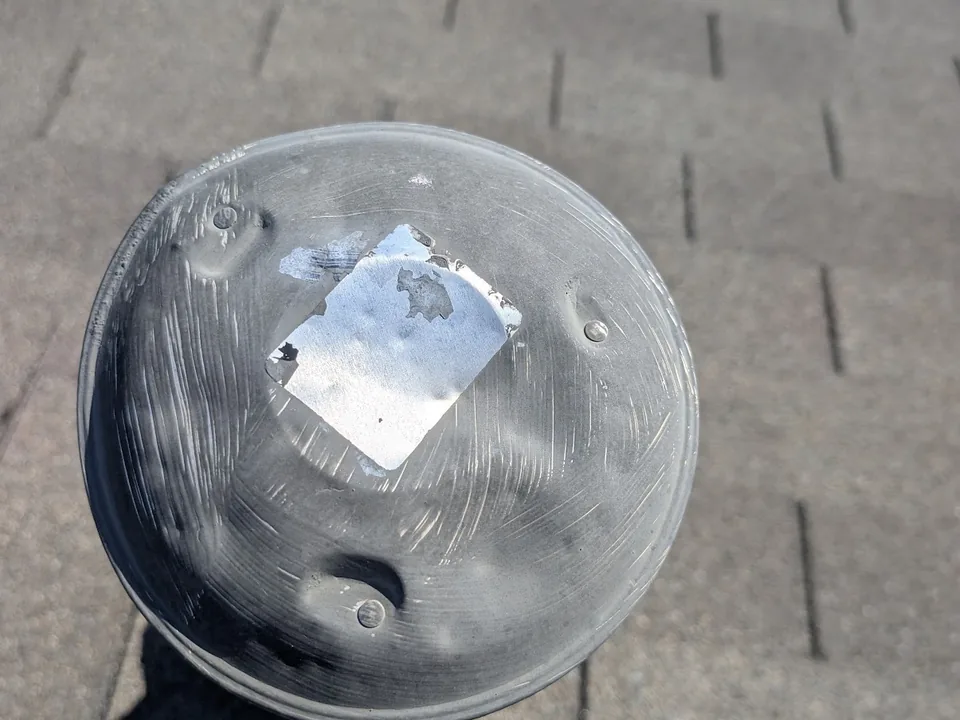
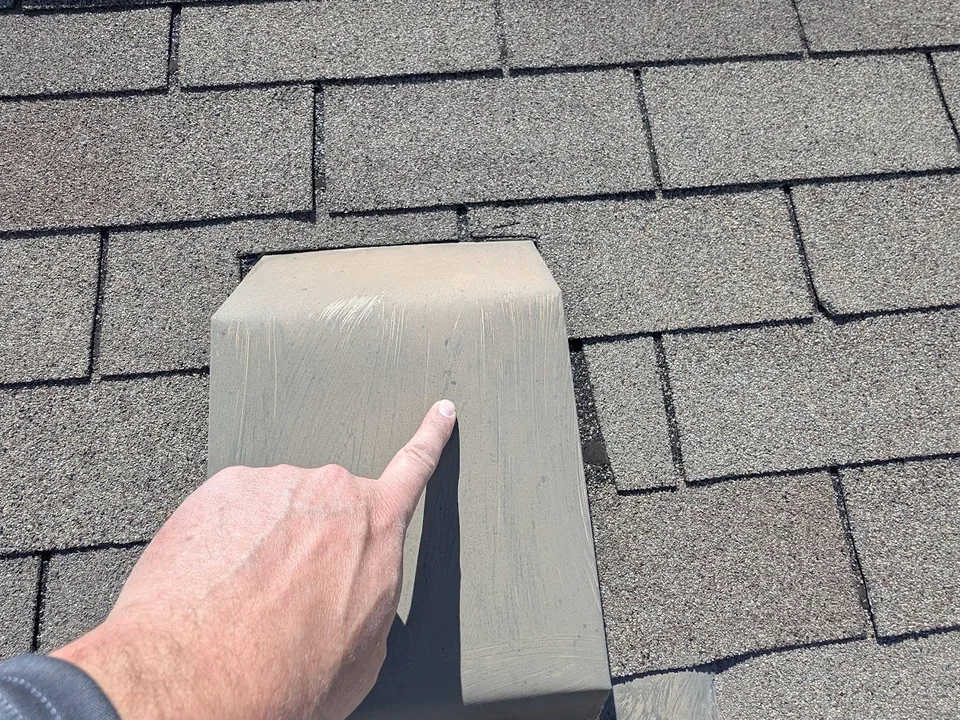
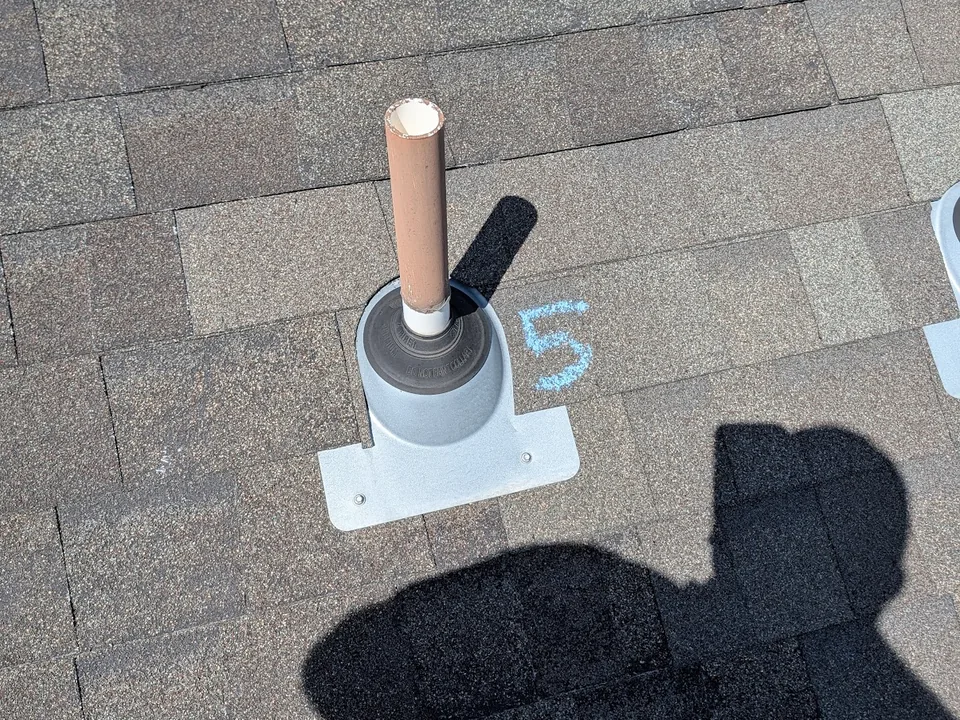
Photos from the field. Select one to enlarge it.
Field Videos
From the field
Real jobs, filmed and explained.
Field videos from real roofs, each with a short note on what the inspection or the work showed.
Small Roof Sections Matter, Leander Texas
Why small roof sections and transitions get overlooked in Leander, and why they're where most leaks start.
Watch on YouTubeDead Valley Roof in Austin, Texas
Dead valley roof problems in Austin, Texas can create concentrated drainage areas that deserve close inspection.
Watch on YouTubeCommon Questions
What homeowners ask
Is roof maintenance worth it on a newer roof?
Yes, and it is cheapest there. New roofs fail early at the details: a pipe boot that cracked in year four, a nail head backing out over a bedroom. Catching those while the roof is young preserves both the roof and the manufacturer warranty conversation.
Does maintenance affect my shingle warranty?
Manufacturer warranties assume the roof is kept in serviceable condition, and documented maintenance is the cleanest way to show that. A dated photo report of resealed details and clear drainage is exactly the record you want on file if a warranty question ever comes up.
Do you do maintenance on roofs you did not install?
Yes. A maintenance visit does not require any history with the roof. We assess what is there, service what maintenance can service, and document the rest, whoever installed it.
How often should a roof get maintenance?
Once a year is a sound rhythm for most asphalt roofs, and always after a significant hail or wind event. Older roofs, heavily shaded roofs, and roofs with many penetrations benefit from more frequent checks because sealants and pipe boots fail there first.
What is included in a roof tune-up?
Debris clearing, resealing of exposed nail heads and flashing, vent and pipe-boot checks, a walkthrough of chimneys and transitions, and a photo-documented condition report you keep. Anything beyond that scope is documented and quoted separately, never bundled in quietly.
Will you tell me if my roof does not need anything?
Yes. That is the point of the visit. If the roof is sound, the report says so in writing, and you file it away as a dated condition record. That record also becomes useful evidence of prior condition if a storm hits later.
Get Started