
Roofing
Roof Replacement: What It Costs and When You Need One
The repair vs. replacement decision depends on roof age, damage extent, and remaining life, a measured read of your roof’s actual condition. Documentation gives you the baseline to evaluate proposals honestly.
Updated October 12, 2026
Read This First
The short version
- In Texas, repair usually makes sense for a roof under about 15 years old. The decking and flashing must be sound, and damage must cover under a quarter of the surface.
- Replacement usually makes sense once a roof passes 20 years. It also fits wide damage, heavy granule loss, or failing flashing throughout.
- A replacement is priced by the square, which is 100 square feet of roof, and every figure on the page is a rough planning range, never a quote.
- You cannot see decking until the old roof is off. Soft or delaminated sheets are then replaced and billed separately, per sheet.
- Whether insurance pays for a full replacement is the insurer's decision. The Roof Shepherd documents the roof and lays out your options.
Get the condition documented first: call or text 512-575-5052 or use Get Help.
Short version: 4 min. Full page: 8 min. Want the detail? Each section below opens with a tap, or switch to Full at the top to open them all.
When to Repair vs. Replace
The factors that actually matter.
In Texas, repair usually makes sense when a roof is under about 15 years old, the decking is sound, the flashing is intact, and damage covers less than roughly a quarter of the surface. Replacement usually makes sense once a roof passes 20 years, shows widespread damage or heavy granule loss, or has flashing failing throughout. Age, decking condition, and how much of the surface is affected decide it, more than the raw number of damaged shingles. The terms below are defined in the roofing glossary.
Roof age, decking, and how much is damaged decide repair or replacement, not the shingle count.
Repair makes sense when
The roof is under 15 years old with localized damage, the decking is sound, flashing is intact, and less than 25% of the surface is affected. A targeted roof repair is often the right answer first.
Replacement makes sense when
The roof is over 20 years old, damage is widespread, granule loss is significant, or multiple repairs have been made to the same areas. Many Texas carriers will not insure a roof over 20 years without a current inspection, some will not renew coverage at all. At that age, the insurance risk alone shifts the calculus toward replacement.
The documentation baseline
Without documentation, you are evaluating the contractor’s word against itself. A documented condition report gives you a documented baseline that makes contractor proposals comparable.
Red flags in estimates
Pressure to decide same-day, no written scope, no material specifications, and estimates that appear only after you mention insurance are all signals that the proposal is sales-driven, not condition-driven.
What It Costs
Repair and replacement cost, without the sales math
A replacement is priced per square (100 square feet), and nobody can price your decking until the old roof is off.
What the ranges include
A replacement is priced by the square, which is 100 square feet of roof, not by the job. The deck and underlayment guide explains the decking allowance and the leak barrier rule that show up on the estimate. Size and pitch set the baseline. Material class, decking condition, flashing, ventilation and access move it from there. Every figure here is a rough planning range, never a quote: the real number comes from a measured roof. Material classes and what each tier buys are compared in the roofing materials guide.
What moves the price above the floor
Steep pitch and two or more stories add labor and staging. Tear-off of a second layer adds disposal. Class 4 impact-resistant shingles and standing seam metal sit above architectural asphalt. Code-required upgrades at replacement, like decking or ventilation, are separate line items rather than surprises.
- How many slopes are involved
- Whether the decking underneath is sound
- Whether the material is still produced
- What access the roof needs
When decking changes the job
Nobody can see your decking until the old roof is off. If sheets are soft or delaminated they are replaced and billed separately, per sheet. A quote that promises a final number before tear-off is guessing at the one thing that cannot be measured in advance. What we look at, and how it is recorded, is set out in a documented roof inspection.
What drives the decision
Age, the share of the roof affected, and decking condition. When damage is widespread, the roof is past roughly twenty years, or repairs keep returning to the same slope, replacement is usually the economical answer rather than the aggressive one. The layers that decide it are explained in how a roof is built.
The Number People Ask For
What does a new roof cost on a 2,000 square foot house?
As of October 2026, a new architectural shingle roof on a one-story, 2,000 square foot house in Texas runs about $13,100 to $20,100 at The Roof Shepherd's prices. That is a planning range for a roof of 24 to 30 squares, not a quote. The low end is a house with no attached garage. With a two-car garage, about 28.5 squares, the range is about $15,500 to $19,100. Here is the math, so you can check it.
The roof is bigger than the floor
Roofers price by the square. One square is 100 square feet of roof. A 2,000 square foot house does not have a 2,000 square foot roof, because the roof also covers the overhangs and the garage, and a sloped surface is larger than the floor under it.
Example: 2,000 square feet of living space plus about 150 square feet of overhang, at a common 6/12 slope (the roof rises 6 inches for every 12 inches across), is about 24 squares. Add a 400 square foot garage and it is about 28.5. A two-story house with the same floor space has a smaller roof, but it costs more per square to work on.
What moves the number
A steep roof, a second story, or a roof with many ridges and valleys costs more per square. Rotted decking past the first two sheets, extra old layers to tear off, and items the local code requires add to the total. The roof cost guide walks through each one. For local figures, see roof cost in Round Rock.
Get the number for your house
Within about an hour of Round Rock, an inspection with a written report is free when you set it up by call or text at 512-575-5052. Anywhere in Texas, a $75 remote estimate measures your roof from aerial images, with no visit needed.
| Shingle | Per square | About, per square foot of roof | 24 square roof | 30 square roof |
|---|---|---|---|---|
| Architectural asphalt shingle | $545 to $670 | $5.45 to $6.70 | $13,080 to $16,080 | $16,350 to $20,100 |
| Class 4 impact-resistant shingle | $600 to $735 | $6.00 to $7.35 | $14,400 to $17,640 | $18,000 to $22,050 |
Options
Paying for a new roof
People pay with savings, an insurance payout, home equity, or a loan, and that is separate from the written scope.
Four ways people pay for it
Texas homeowners pay for a roof in a few common ways: out of pocket or from savings, an insurance settlement when storm damage is covered (minus your deductible), a home-equity loan or HELOC, a personal loan, or manufacturer and contractor-arranged financing. The right path depends on whether the work is storm-related, how much equity you have, and the interest terms. Nail down the written scope and price first; the financing is a separate decision.
Insurance settlement
If the damage is from a covered storm, your policy may fund the replacement, minus your deductible and any depreciation on an ACV roof. How that is valued is covered in the hail damage and insurance guide.
Home equity (HELOC or loan)
Often the lowest-rate option for homeowners with equity, because the loan is secured by the home. Terms and rates vary by lender and your credit; compare before committing.
Personal loan or contractor financing
Unsecured personal loans and manufacturer or contractor-arranged plans are faster but usually carry higher rates. Read the full terms, and never let a financing offer pressure a same-day signature.
Where The Roof Shepherd fits
The Roof Shepherd documents your roof and lays out your real options. Financing is arranged directly between you and your lender or insurer; there is no obligation and never a hard sell.
Where We Work
Roof replacement in Round Rock and nearby towns
The Roof Shepherd is based in Round Rock and works anywhere in Texas. These are the towns closest to home.
Field Photos
On the job
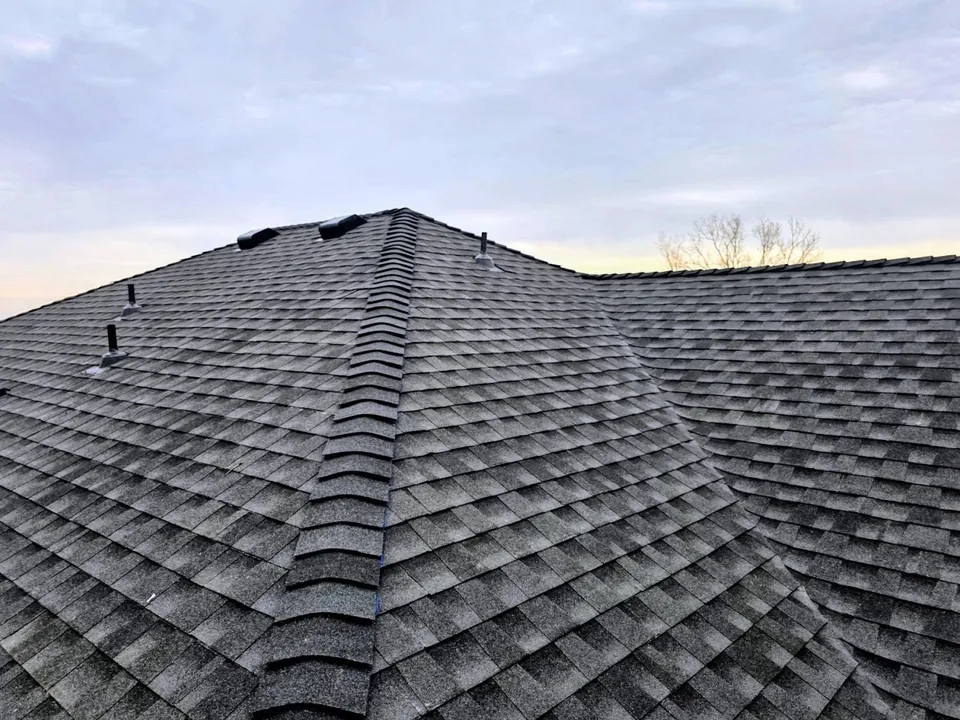
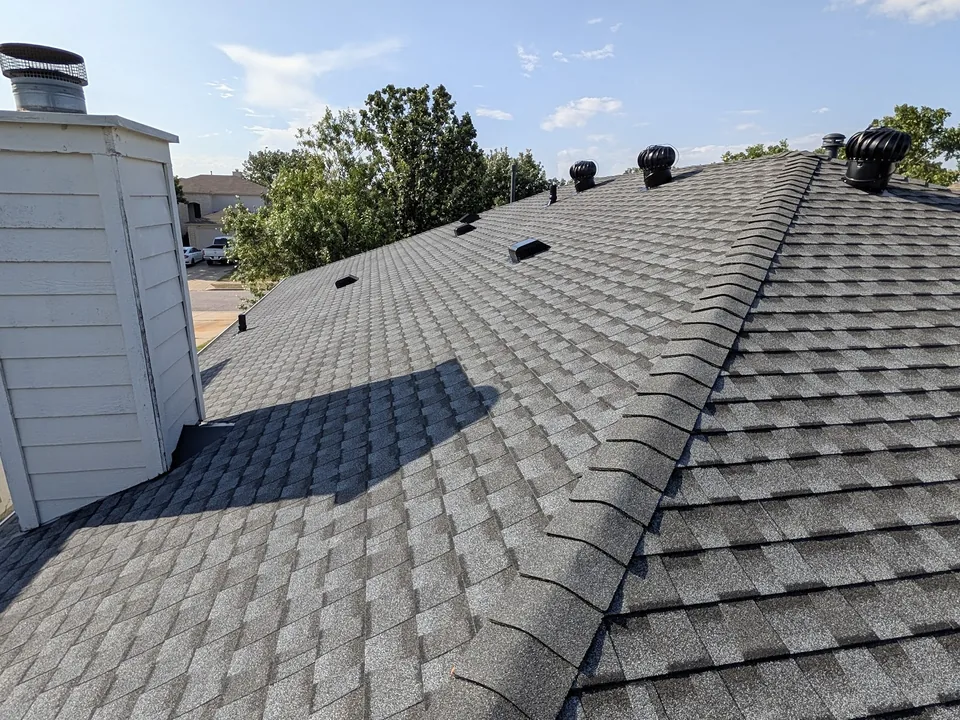
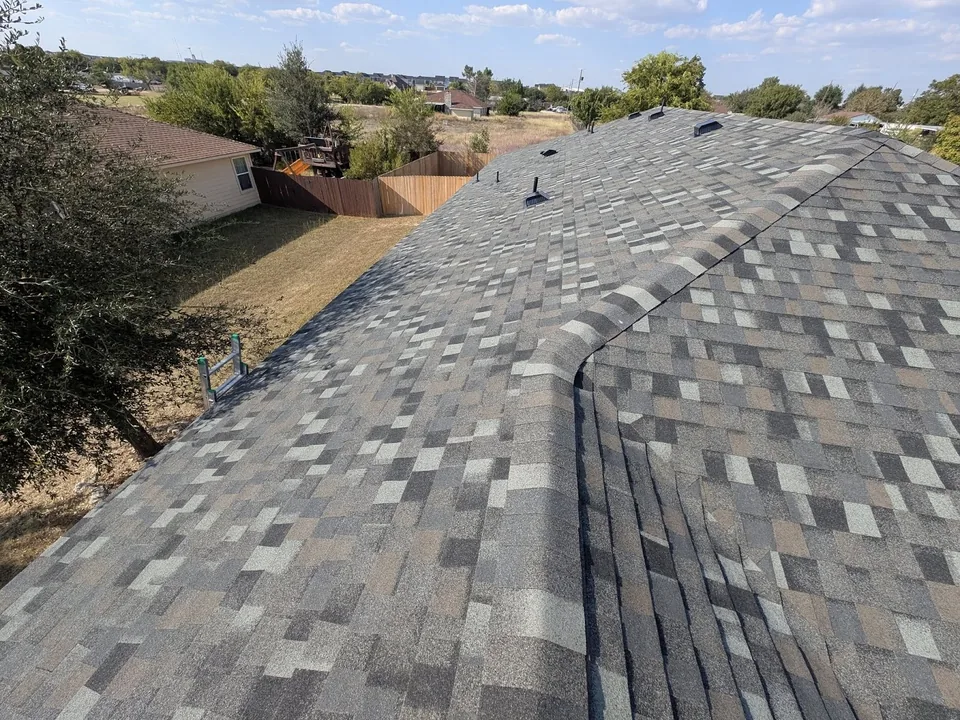
Photos from the field. Select one to enlarge it.
Field Videos
From the field
Real jobs, filmed and explained.
Field videos from real roofs, each with a short note on what the inspection or the work showed.
Roof Replacement in Kyle, Texas Reveals Hidden Decking Damage
Roof replacement in Kyle, Texas revealed hidden roof decking damage beneath a roof that was just over 20 years old.
Watch on YouTubeGAF Class 4 Roof Installation in Kyle, Texas
New roof installation in Kyle, Texas using a GAF Class 4 impact-rated roofing system in Pewter Gray.
Watch on YouTubeReplacement FAQs
Common questions about roof replacement
How long does a roof replacement take?
Most single-family replacements in Texas are a one-day tear-off and install, weather permitting. Larger or steeper roofs, tile, and metal run longer. You get the schedule in writing before anything starts.
Do I need to leave the house during a replacement?
No. You can stay. Expect noise, vibration and debris netting around the perimeter. Move vehicles clear of the drip line and take fragile items off walls in rooms directly under the roof.
What happens to my gutters and solar panels?
Gutters usually stay unless they are damaged or in the way of new edge metal. Solar panels are detached and reset by a licensed electrical contractor, coordinated around the roofing schedule. Both are separate line items, never buried in the roof price.
When does the new warranty start?
The manufacturer warranty begins at installation, and the stronger tiers require a certified installer and a full system of matched components. The workmanship warranty is separate and comes from whoever installs the roof.
Will insurance pay for a full replacement?
That is the insurer’s decision, not ours. What we control is the record: a dated, photographed condition report before anyone files anything. We document; the coverage call belongs to your policy and your adjuster.
Can I replace only one slope?
Sometimes, and it is worth asking. A single-slope replacement can make sense after localized storm damage, though color match on weathered shingles is rarely exact and some manufacturer warranties treat partial work differently.
Next Step