
Roofing
Documented Roof Inspections
An inspection documents visible roof conditions, shingles, flashing, gutters, penetrations, and drainage. Understanding what gets documented helps you evaluate what contractors are telling you.
Updated October 12, 2026
Read This First
The short version
- A roof inspection report records what is visible on shingles, flashing, gutters, vents and drainage, with photos, and you own it.
- It is documentation only. There is no estimate, no material sample, and no pressure to commit.
- It is free for homes within about an hour of Round Rock when you call or text, $75 if you book online, and farther out the price is set by drive time.
- It covers what you can see, so it is not an engineering or structural review.
- You can use the record with any contractor or insurer, and a roof with nothing wrong gets a complete record too.
Call or text 512-575-5052 to book free near Round Rock, or book online for $75, paid at the visit.
Short version: 3 min. Full page: 7 min. Want the detail? Each section below opens with a tap, or switch to Full at the top to open them all.
Common Reasons to Document
When a Texas homeowner needs an inspection
Document after a storm, at ten to fifteen years of roof age, before a sale, or on interior signs, so you have a record.
After a storm is when most people look
Texas sees some of the most frequent hail and high wind in the country, and the weeks after a storm are when most homeowners first think hard about their roof. A documented inspection right after a hail or wind event captures visible conditions while they are fresh, before weathering, repairs, or a sales conversation change the picture. If a door knocking contractor has already told you that you need a full replacement, a written record gives you something to weigh that claim against, rather than taking a stranger’s word on the most expensive surface of your home. If a storm just came through, start with the education side first: the Storm Damage Guide and the Hail & Insurance Guide show you what documentation should capture before anyone is hired.
The other times worth looking
An inspection also makes sense at predictable points in a roof’s life. Most asphalt shingle roofs in this climate begin showing their age between ten and fifteen years, and documenting that condition early gives you a baseline to plan around. Homeowners buying or selling use a condition record to understand exactly what they are taking on or handing over. And if you have already noticed interior signs, a ceiling stain, attic moisture, or daylight through the decking, those are reasons to document the roof before a small problem becomes a structural one. In every case the goal is the same: a clear, photographed record you own and can take to any contractor or insurer, so the decision stays yours.
Inspection Scope
Every surface. Every system. Documented.
A proper roof inspection covers visible conditions on every accessible surface, not just the field of the roof, but the perimeter, transitions, penetrations, and drainage path. The step by step inspection walkthrough shows the test squares, the soft metals and the photo rules behind that list.
The inspection covers the roof surface, flashings, vents, soft metals and signs inside, each with photos.
Roof Surface
Shingle condition, granule loss, impact bruising, cracking, curling, blistering, and missing units. Each deficiency is photographed with location context.
Flashings & Penetrations
Step flashing, valley flashing, pipe boots, HVAC curbs, skylights, and chimney aprons. These are where most leaks originate.
Soft Metals
Gutters, downspouts, vents, ridge vents, and drip edge. Soft metal impacts from hail are often the first visible indicator of a storm event.
Interior Indicators
Ceiling stains, attic moisture, and daylight penetration. Interior conditions contextualize what the exterior inspection finds.
The Inspection Process
No estimates. No pressure. Just documentation.
The inspection only records the roof, with no samples and no pressure, and the record is the homeowner's.
What the visit is, and is not
The Roof Shepherd inspection is documentation-only. No material samples. No pressure to commit. The record belongs to the homeowner and can be used with any contractor or insurer independently. See what a finished record looks like in our field records explainer.
What Gets Documented
What a roof inspection actually covers
The checklist covers the roof, flashings, vents, ridge and hip lines, gutters, fascia, soffit and attic.
The inspection checklist, by name
No mystery about what gets looked at. The documented inspection covers the shingle or roofing field for impact marks, granule loss, lifting, and wear; every flashing system, including step, counter, chimney, and wall transitions; every penetration, meaning pipe boots, vents, and skylights; ridge and hip lines; gutters, downspouts, and the drainage path; fascia and soffit condition; and the attic side where access allows, checking for staining, daylight, and ventilation problems. Interior ceilings get photographed when stains are part of the story. Each item lands in the written record with photographs, so the findings do not depend on anyone's memory, including the inspector's.
About Free Inspections
Why so many roof inspections are free
Free inspections, ours near Round Rock too, are paid for by the work that may follow; ours leaves a photo report.
What our inspection gives you
Most free inspections are paid for by the job that may follow, so the incentive can point one direction before anyone climbs a ladder. That model is legal and common, and plenty of free inspections are done honestly. Ours is free too for homes within about an hour of Round Rock, and the difference is what you keep: the written report with photos, built on an aerial measurement of your roof. Farther out, the price is set by drive time (see every price), and you hear it before anyone drives out. Call or text 512-575-5052 to keep it free, or book online for $75, paid at the visit. Either way, you should know what you are getting for your time. Here, the product is the documentation itself: a written, photographed record of what is actually on your roof, which you keep whether or not any work ever happens. When the record says the roof is fine, that is the finding.
Purpose-Built Inspections
Inspections built for specific situations
Some roof questions come with a deadline, a transaction, or a claim attached. These inspections are built for exactly those situations.
Home sales, paid second opinions, bid reviews and insurance records each get their own inspection.
Home Sales
When the roof comes up in a sale, a roofer checks the specific concern, explains what it needs, and prices the fix.
Paid Consultations
Second opinions and bid reviews. You pay for the answer, you get it in writing, and it carries no obligation to hire us.
Insurance Documentation
Dated, factual damage records homeowners own, and every policyholder right explained. Not a public adjuster; the evidence does the arguing.
Where We Work
Roof inspections in Round Rock and nearby towns
The Roof Shepherd is based in Round Rock and works anywhere in Texas. These are the towns closest to home.
Field Photos
On the job
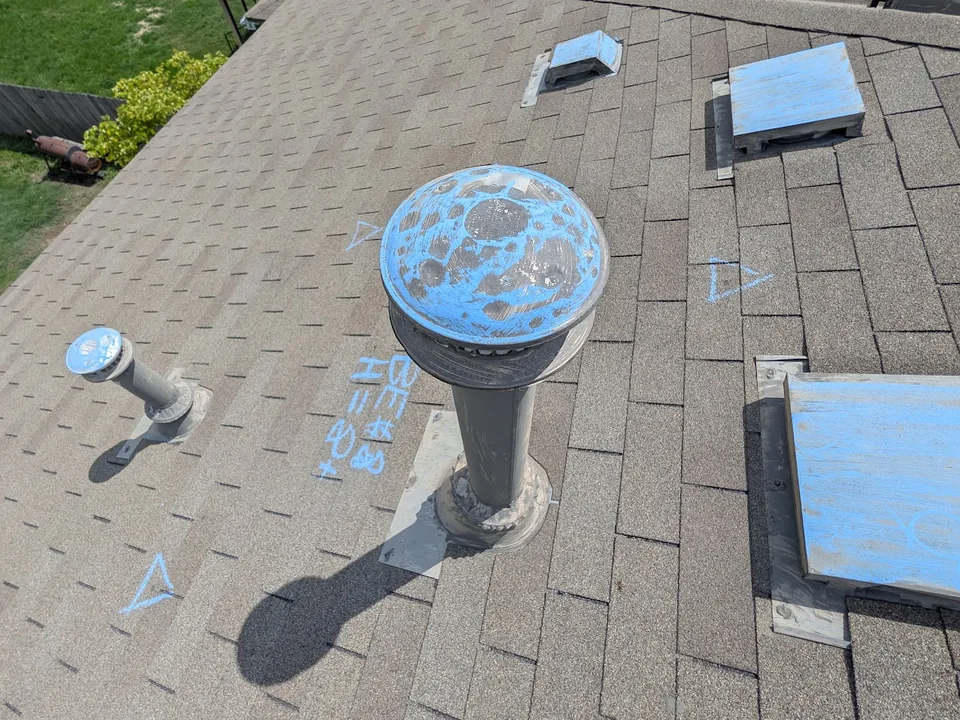
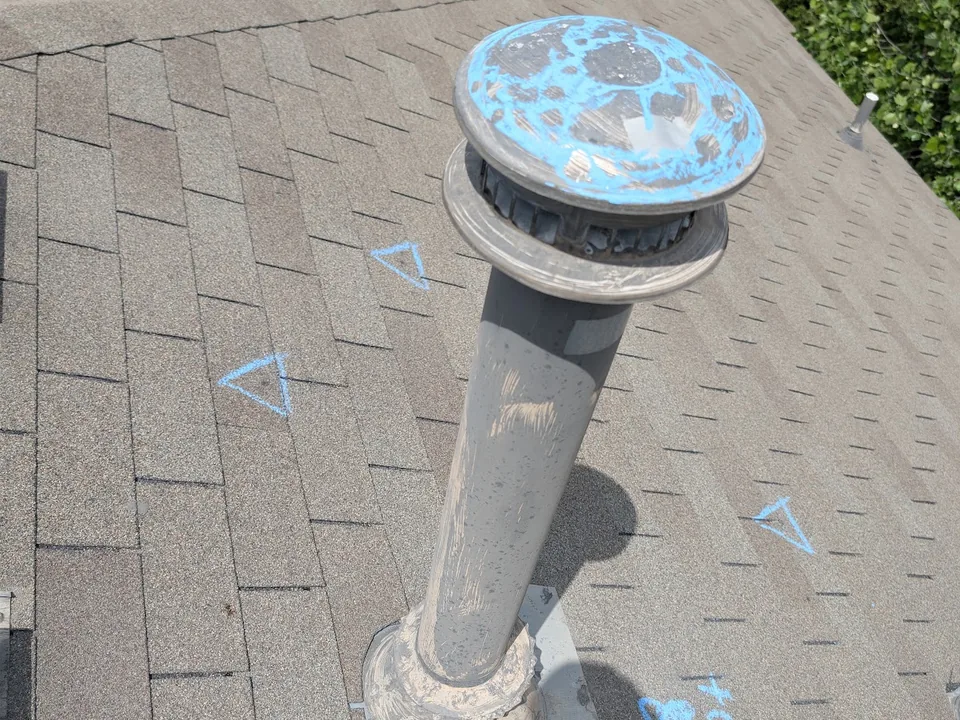
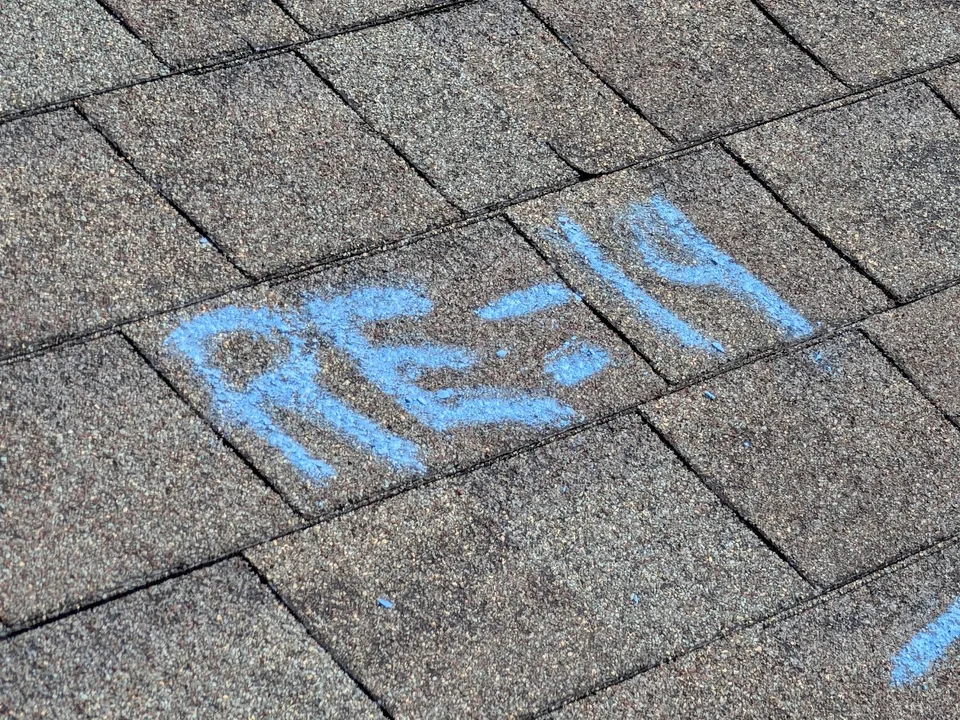
Photos from the field. Select one to enlarge it.
Field Videos
From the field
Real jobs, filmed and explained.
Field videos from real roofs, each with a short note on what the inspection or the work showed.
14-Year Architectural Shingle Roof Inspection, Manor TX
Inspecting a 14-year architectural shingle roof in Manor, mid-life condition assessment showing what to expect and what to watch for.
Watch on YouTubeFort Worth Roof Inspection: Clean Bill of Health, No Damage Found
Roof inspection in Fort Worth, Texas, and this time, the news was good. No visible roof damage was found during the inspection.
Watch on YouTubeInspection FAQs
Common questions about roof inspections
What does a roof inspection cover?
A condition review documents roof surface by zone (shingle condition, granule loss, impact bruising, cracking), penetrations and flashings (pipe boots, step flashing, skylights, chimney), soft metals (gutters, drip edge, vent caps), and interior indicators (ceiling stains, attic moisture). Every observation is location-anchored and photographed.
What does a roof inspection NOT include?
A condition inspection is not an engineering assessment, a structural evaluation, or a load-bearing analysis. It documents visible surface conditions. Underlying substrate conditions can only be confirmed when the roofing system is opened. The Roof Shepherd documents what is visible and states explicitly when something requires further investigation.
Do I need to be home during the inspection?
No. Exterior access to the property is sufficient for roof-surface and soft-metal documentation. Interior access is needed if you want ceiling stain or attic documentation included. You receive the full photo record and written findings regardless.
How is a Roof Shepherd inspection different from a contractor estimate?
A contractor estimate prices their proposed scope of work. It is a business proposal. A condition review documents what is actually present, regardless of any proposed scope or price. Getting documentation before estimates means you are evaluating proposals against a documented baseline you already own.
Can a roof inspection be used for an insurance claim?
Documentation of visible conditions can support a claim by establishing a baseline prior to contractor involvement. Our documentation and estimates support your claim. We advise and educate you on your options and rights, document the roof, and submit documented supplements. We are not a public adjuster and never negotiate or settle a claim for you. We do not guarantee outcomes, and the documentation belongs to you.
How soon can I schedule a roof inspection?
Use the Get Help form with your address or call, and we schedule the documentation visit directly. There is no obligation and no sales pressure.
Next Step