
Insurance Documentation
Documentation Before the Claim, Not After the Argument
When storm damage becomes an insurance question, the homeowner with a dated, factual record starts from strength. We build that record, we make sure you know every right your policy gives you, and the record belongs to you.
Updated October 13, 2026
Read This First
The short version
- Document your roof before you file. Adjusters work from evidence, and a dated record gives you facts to start with.
- The record has slope-by-slope photos, marked damage, and plain notes that separate storm damage from wear, and you own it.
- Whether and how to file is your decision, made with your insurer.
- We advise and educate you on your options and rights, document the roof, and submit documented supplements. We are not a public adjuster and never negotiate or settle a claim for you.
- Texas Insurance Code Section 4102.163 says a contractor may not act as a public adjuster, or advertise to adjust claims, on property it works on or may work on.
To start a roof record before you file, call or text 512-575-5052 or use Get Help.
Short version: 2 min. Full page: 5 min. Want the detail? Each section below opens with a tap, or switch to Full at the top to open them all.
Built on Evidence
What claim documentation includes
Adjusters work from evidence. This is how yours gets built. Read the Texas hail claim guide first: RCV against ACV, the deadlines, and what changed in 2026, so the record below makes sense before you file.
The record is dated and slope by slope, covers every plane, penetration and flashing line, and states storm versus wear.
Dated, slope-by-slope photos
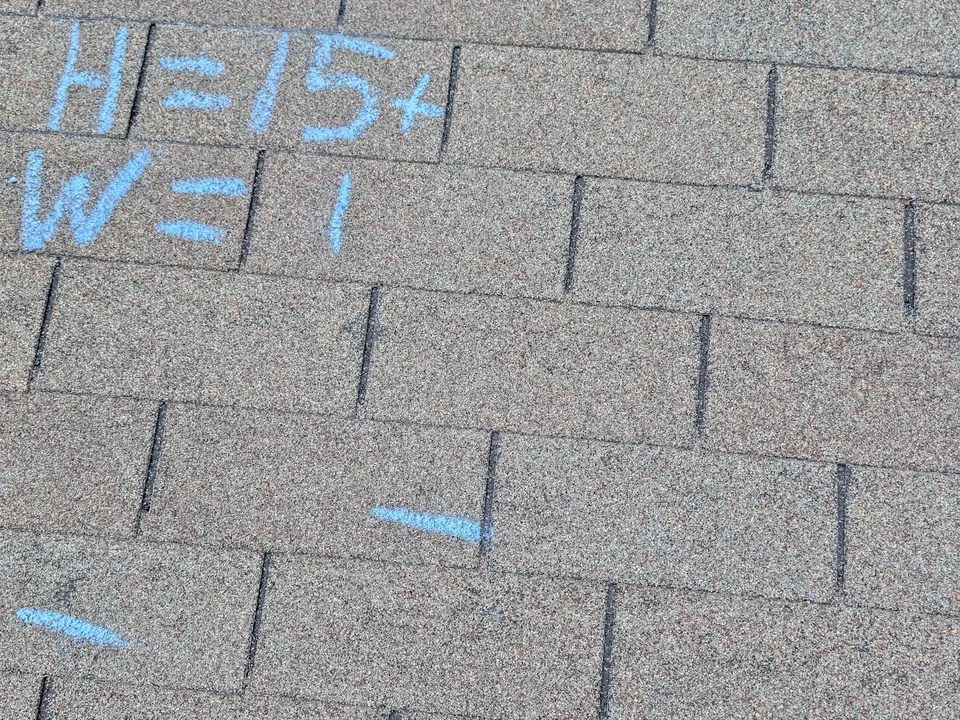
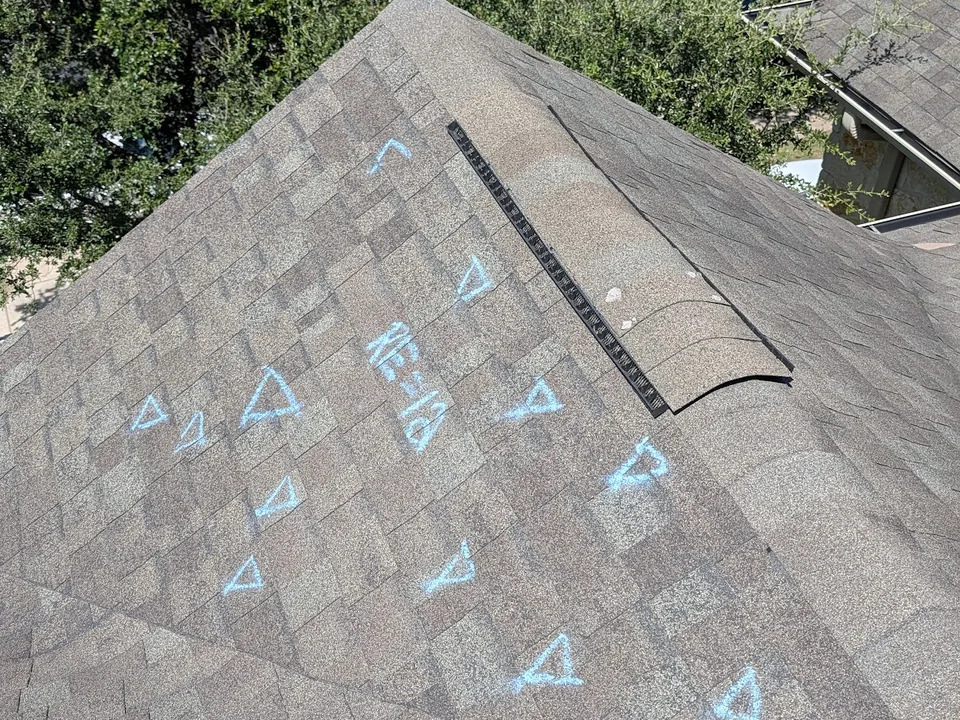
Claim documentation is a factual, dated record of your roof’s condition: slope-by-slope photographs, marked damage locations, material identification, and plain-language notes that distinguish storm damage from wear. It is organized the way claim reviews actually read it, and it is complete regardless of what it shows, because a record that only captures what helps is not a record.
You own every photo and page. Whether and how to file remains entirely your decision, made with your insurer.
- Full documentation of each roof plane, penetration, and flashing line, with damage marked.
- Storm versus wear, stated plainly. Hail and wind signatures distinguished from age and installation issues, honestly, in both directions.
- Ground-level context. Collateral indicators like gutters, screens, siding, and soft metals that corroborate the roof findings.
- Homeowner-owned record. The documentation is yours to use, share with your insurer, or file away if you decide not to claim.
Independence
What we are, and what we are not
Plain lines matter most where insurance is involved.
We advocate for your rights within the law, but we are not a public adjuster and never negotiate or settle your claim.
In your corner, inside the law
The Roof Shepherd advocates for your rights as a policyholder, and does it inside the law. We build the evidence, we make sure you know every right your policy gives you, including requesting a re-inspection, submitting additional documentation for review, and invoking appraisal when you and your insurer disagree on the amount of loss, and we stand with you while you exercise them. A record built right usually means it never gets that far.
The line we honor: we are not a public adjuster and never negotiate or settle a claim for you. We do not promise outcomes, and only a licensed public adjuster or attorney can represent you in a claim; any contractor who offers to should be a red flag. The full boundary is spelled out on our insurance and claim disclaimer.
Where We Work
Roof claim documentation in Round Rock and nearby towns
The Roof Shepherd is based in Round Rock and works anywhere in Texas. These are the towns closest to home.
Field Photos
On the job
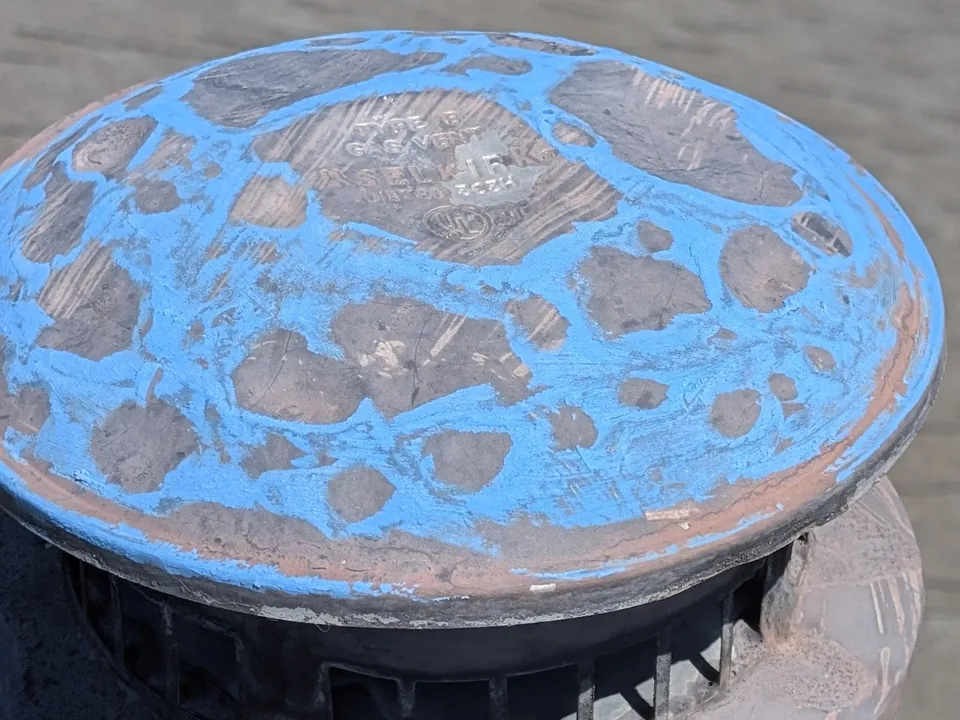
Photos from the field. Select one to enlarge it.
Field Videos
From the field
Real jobs, filmed and explained.
Field videos from real roofs, each with a short note on what the inspection or the work showed.
Real Hail Roof Inspection in Manor Texas
The signs of hail damage explained during a Manor inspection, what to look for, what it means, and how it is documented.
Watch on YouTubeHail Damage on a Garage in Round Rock, Texas
Hail hits on garage siding in Round Rock, the property level evidence that tells you the roof deserves a closer look.
Watch on YouTubeCommon Questions
What homeowners ask
No, and no honest company will promise
Will this documentation guarantee my claim gets approved?
No, and no honest company will promise that. Claim decisions belong to your insurer under your policy. What documentation does is ensure the decision gets made on complete, dated facts instead of a five-minute glance.
Are you a public adjuster?
No, and Texas Insurance Code Section 4102.163 bars a contractor from negotiating your claim. What we do is advocate for your rights as a policyholder: we build the evidence and make sure you know your rights to request a re-inspection, submit additional documentation, and invoke appraisal when the amount of loss is disputed. You exercise the rights; the record does the arguing.
Should I document before or after filing a claim?
Before, whenever possible. A record that predates the claim establishes condition independent of the claim process, and it helps you and your insurer have the first conversation from shared facts.
What does claim documentation cost?
Costs vary with size, material, access, and condition; no honest number exists sight unseen. The Ask Shepherd AI assistant rolling out on this site will walk through the cost drivers for your specific situation, and a call today gets you a straight answer about scope.
What if you find no storm damage?
Then the record says so, and that finding protects you too: it saves you a claim that would be denied, a deductible spent for nothing, and a mark on your claims history. Honest documentation cuts both ways, which is what makes it worth having.
Can you meet the adjuster at my house?
Yes, and we recommend it. We are there to point out every documented condition, walk the adjuster through the record, and discuss the repair scope and estimate. If the first review comes back short, we help you understand your right to request a re-inspection and we supply the documentation that supports it. The negotiating and the decisions stay yours; the evidence and the advocacy are ours.
Get Started