
Residential Roofing
Residential Roofing
Repairs, replacements, and storm work for Texas homes. The Roof Shepherd inspects and documents your roof, explains the options with the evidence in front of you, and manages the job from contract to written workmanship warranty. You keep the record.
Updated October 11, 2026
Read This First
The short version
- We inspect and document your roof, explain your options, and run the job from contract to a written workmanship warranty.
- Our crew does the install to our written standard. Your workmanship warranty is with us.
- Texas has no state roofing license. Check the crew's liability insurance, workers comp, and maker certifications.
- Most homes are torn off and re-roofed in one to two days, weather permitting, and larger or steeper roofs take longer.
- We advise and educate you on your options and rights, document the roof, and submit documented supplements. We are not a public adjuster and never negotiate or settle a claim for you.
Tell us about your roof through Get Help, or call or text 512-575-5052.
Short version: 2 min. Full page: 6 min. Want the detail? Each section below opens with a tap, or switch to Full at the top to open them all.
Residential Scope
What residential roofing covers
We give photo records, repair or replace advice, and material tips, and we run the install.
Inspection & Condition Documentation
Every shingle, flashing, valley, and penetration documented with photos before any work begins. You get a written record of what is actually wrong, by area, that you own.
Repair or Replacement, Explained
The evidence laid out in plain terms: what can be repaired, what needs replacement, and why. Your family decides with the facts in front of you, not a sales pitch on the driveway.
Materials & System Guidance
Shingle versus metal, impact rating, ventilation, and underlayment explained for your roof and budget. Brand-neutral guidance: the system that fits your home, explained in plain language.
Managed, Supervised Installation
Our crew works to our written standard, documented start to finish. One company answers to you, and your workmanship warranty is with us.
Shingle Roofing
Shingle roof installation
A good shingle job works as a system: checked decking, matched underlayment, venting, and flashed pipes.
One system, start to finish
Shingle roof installation remains the backbone of residential roofing, and asphalt shingle roofing done right is a system: decking checked, underlayment and ice-and-water detailing matched to the roof, ventilation balanced, and every penetration flashed correctly. We walk you through shingle classes and impact ratings, what each means for heat, wind, and hail, and our crew does the installation, with documentation from tear-off to final walkthrough.
Residential Roofing in Texas
What makes Texas residential roofing different
Sun, heat and frequent hail age shingles faster in Texas, so start with a documented record and a written contract.
Heat, sun and hail
Texas roofs take brutal UV, 100°+ heat, and some of the most frequent hail in the country. Asphalt shingles age faster here, and a single hail season can shorten a roof’s life by years. A documented condition record before and after storm season gives your family a clear, dated account of what changed.
Texas has no state roofing license requirement. After a storm, out-of-state crews flood the area with no local accountability. The most reliable protection under current Texas law is a documented condition record, a written contract with the company that warrants the work, and a written list of the crews and suppliers on your job.
Where We Work
Residential roofing in Round Rock and nearby towns
The Roof Shepherd is based in Round Rock and works anywhere in Texas. These are the towns closest to home.
Field Photos
On the job
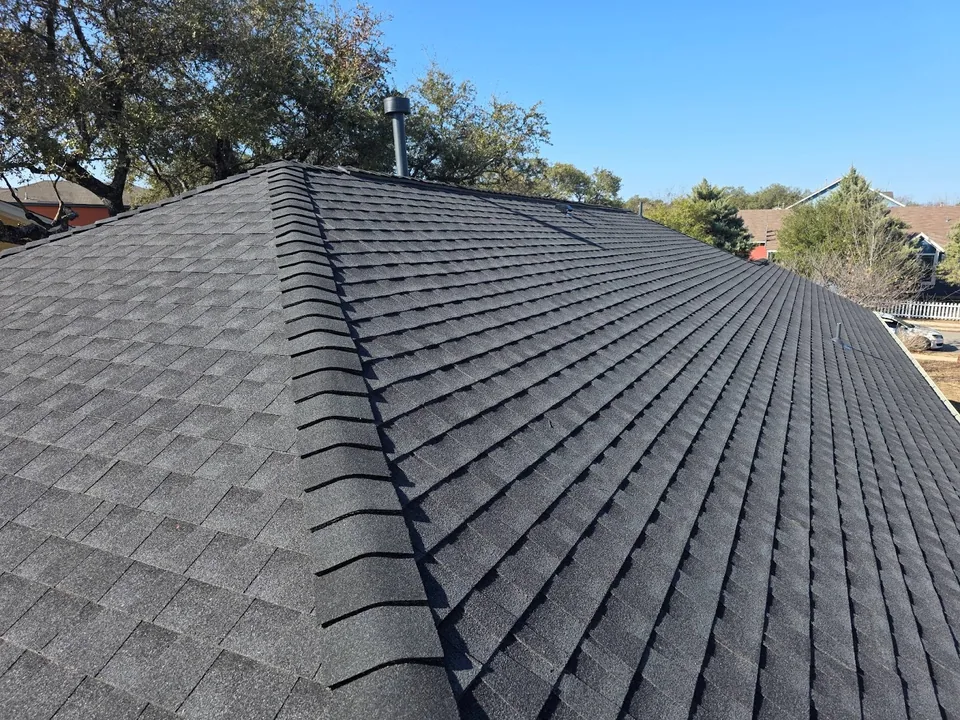
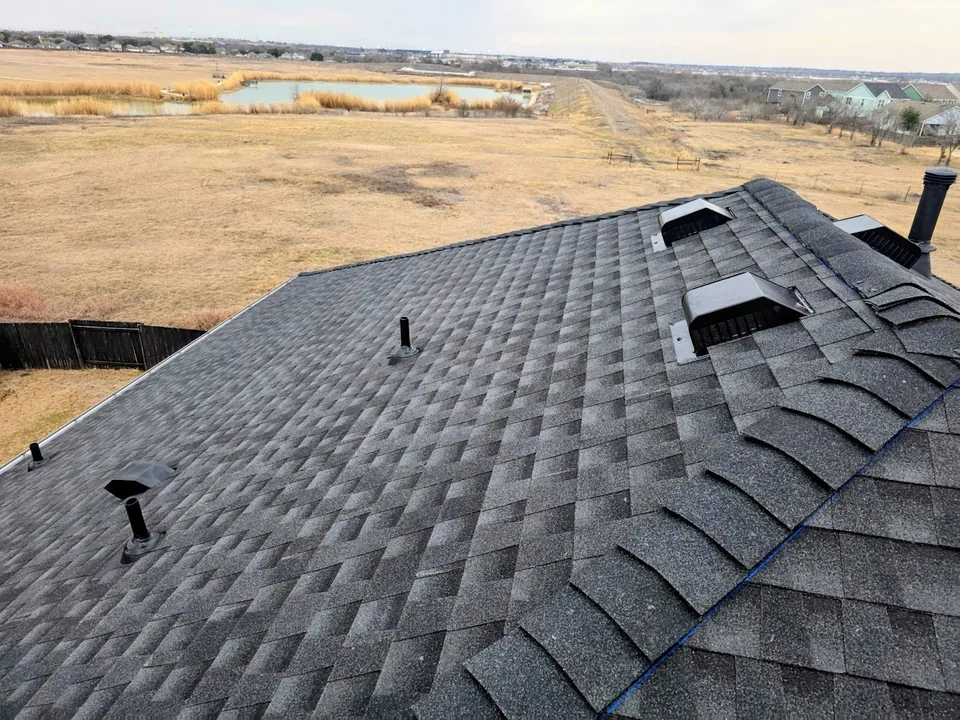
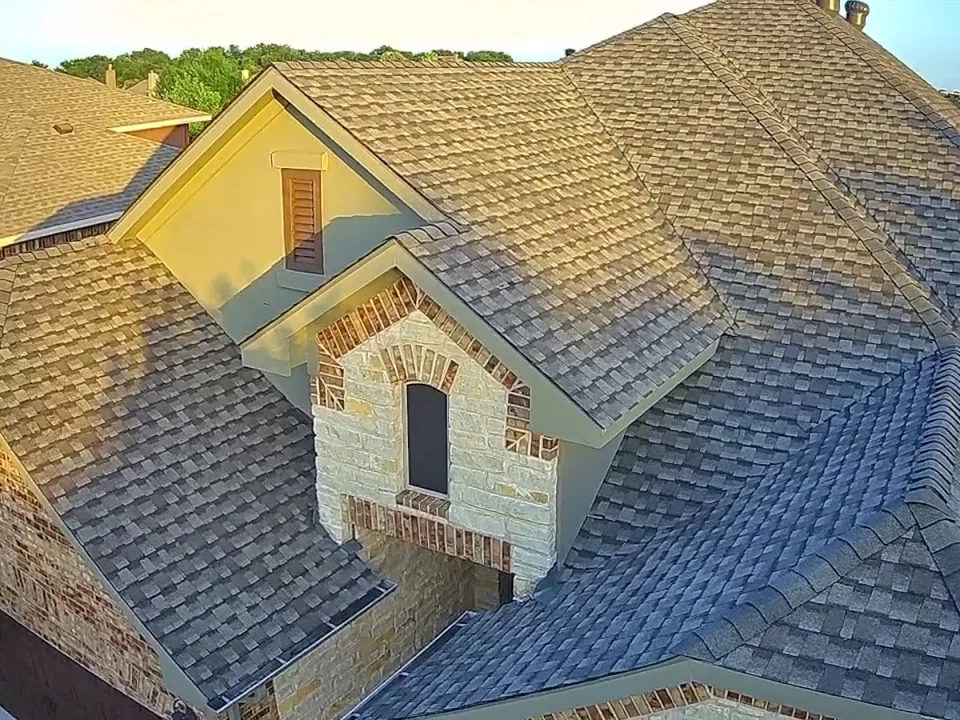
Photos from the field. Select one to enlarge it.
Field Videos
From the field
Real jobs, filmed and explained.
Field videos from real roofs, each with a short note on what the inspection or the work showed.
Installed Today in Kyle, Texas
A same-day roof installation in Kyle, from material staging to final walkthrough, documented in real time.
Watch on YouTubeWhat's Under Your Roof Matters, Leander TX
Underlayment quality in Leander, the layer most homeowners never see is often the one that determines long-term performance.
Watch on YouTubeCommon Questions
What homeowners ask about residential roofing
Does Texas require a license to replace a residential roof?
Texas does not require a state roofing license for residential or commercial work. That makes verifying the crew yourself essential: confirm current general liability insurance, workers compensation, and manufacturer certifications for the shingle system being installed. The Roof Shepherd holds every crew to a signed agreement and our written installation standard, and documents the work with dated photos, so you are not taking the work on faith.
How do I know if my roof needs a repair or a full replacement?
Age, the extent of the damage, granule loss, leak history, and the condition of the decking underneath decide it. A few damaged shingles is a repair. Widespread granule loss, multiple leaks, or a roof past 20 years usually points to replacement. The Roof Shepherd documents what is actually failing and explains both options with the evidence in front of you, so your family decides with facts, not pressure.
What roofing materials hold up best on Texas homes?
Impact-rated architectural asphalt shingles are the common choice for hail-prone Texas, balancing cost and durability. Metal lasts longer and reflects heat but costs more upfront. The right system depends on your roof, your budget, and how long you plan to stay. The Roof Shepherd explains the trade-offs for your home in plain language, and says so plainly when the smaller repair is the right call.
Who actually does the work on my roof?
The Roof Shepherd inspects and documents your roof, explains your options, and manages the job from contract to warranty. Our crew works to our written installation standard on every job. You get one point of contact who answers to you and a documented record of the work from start to finish.
Will you help with my insurance claim?
The Roof Shepherd documents your roof’s condition in writing and photographs, so you have a written record to take to your carrier. We are not public adjusters, and Texas Insurance Code Section 4102.163 bars a contractor from negotiating your claim. What we do is advocate for your policyholder rights: the documentation belongs to you, and we make sure you know every right it supports, including requesting a re-inspection, submitting additional documentation, and invoking appraisal when the amount of loss is disputed. When the insurer’s estimate leaves out work the roof needs, we submit a documented supplement for our scope.
How long does a residential roof replacement take?
Most homes are torn off and re-roofed in one to two days, weather permitting. Larger or steeper roofs, or homes with multiple layers to remove, take longer. The Roof Shepherd documents the roof before work starts and again after it is finished, so the condition change is on the record.
What should I look for when vetting a roofing crew?
Current general liability insurance and workers compensation, manufacturer certification for the system being installed, a written scope, local references, and a documented before-and-after. Because Texas does not license roofers, that verification falls on you, or on someone documenting it for you. That is the gap The Roof Shepherd exists to close.
Next Step