
Learning Center · Maintenance
Roof Maintenance and Tune-Ups: The Texas Homeowner’s Guide
A roof tune-up is a scheduled maintenance visit: debris is cleared, exposed nail heads, flashing and pipe boots are resealed, vents and known problem spots are checked, and every step is photographed so you keep the record. Texas sun, hail, and thermal cycling age a roof faster than the calendar does. This guide covers what maintenance actually is, how often it should happen, and why it decides whether your roof reaches its rated lifespan.
Updated October 25, 2026
Read This First
The short version
- A roof tune-up is planned maintenance: seal and fasten, check flashing, clear debris, and photograph every step.
- Get the roof inspected every two years, and after any severe storm, such as hail of one inch or larger or damaging wind.
- For most Texas roofs, a professional tune-up every two years keeps sealants ahead of UV breakdown.
- An inspection records conditions, a tune-up makes small corrections, and a repair fixes a known failure.
- Skipped upkeep can look like neglect when a warranty claim is made, so keep a dated maintenance record.
Want the visit done? See the roof tune-up page (starting at $500), or call or text 512-575-5052.
Short version: 4 min. Full page: 12 min. Want the detail? Each section below opens with a tap, or switch to Full at the top to open them all.
Definition
What is a roof tune-up?
A tune-up reseals, fixes lifted shingles, tidies flashing, clears valleys and gutters, and ends with a report.
Sealants, fasteners, and flashing
A roof tune-up is professional preventive maintenance: sealant renewal on exposed fasteners, pipe boots, and vent flashings, re-securing lifted shingles, dressing flashing, clearing valleys and gutter lines, and a documented condition report you keep. It handles the small wear points before Texas heat and hail season turn them into leaks.

Three Different Jobs
A tune-up is not an inspection, and neither is a repair
An inspection records the roof, a tune-up makes small fixes, and a repair fixes a known failure, so record first.
An inspection produces a record
These three words get used interchangeably in this trade, and they are priced differently because they are different work. Knowing which one you are asking for is the difference between a useful visit and a wasted one.
Someone goes up, photographs conditions, notes what is failing and what is sound, and hands you a document. Nothing gets fixed. The output is information you can take to an insurer, a contractor, or a buyer. If your goal is to know where you stand, or to have evidence after a storm, this is the visit you want.
A tune-up produces small corrections. Sealant refreshed at penetrations, backed-out fasteners reseated, flashing laps checked, debris cleared from valleys and gutters where it holds water. The work is preventive and scheduled, not reactive. It exists to stop small failures becoming expensive ones, and it assumes the roof is fundamentally sound.
A repair fixes a known failure. There is a leak, a missing shingle, storm damage. The scope is defined by the problem, and the price scales with how localized the damage is and what is found underneath. A repair is not preventive; it is a response.
The order matters. Asking for a repair before anything has been documented means paying someone to diagnose and fix in the same visit, with no written record of what was actually wrong before the work started. Asking for a tune-up on a roof that has aged out is paying maintenance money on something that needs replacing. A documented inspection first tells you which of the three you actually need.
The Lifespan Math
Maintenance decides whether a roof reaches its rated life
Most shingle roofs are rated for 20 to 30 years, and the page explains why upkeep stretches that.
Reaching the rated lifespan
Most shingle roofs are expected to last 20 to 30 years. Reaching that number is not luck. It comes from small failures being corrected before they compound. A pipe boot resealed during a tune-up is a minor line item. The same boot left open becomes soaked underlayment, stained ceilings, and decking repair.
Texas accelerates all of it. Sustained UV exposure dries out sealants, 100 degree summers drive expansion and contraction cycles that work fasteners loose, and Texas hail season tests every soft spot the heat created. A maintenance rhythm built for a mild climate is not enough here.
Inspection vs. Tune-Up
Two layers of maintenance, two different clocks
Inspect every two years and after any major storm, and tune up every two years, sooner after a documented hail year.
Inspections: look, every two years and after major storms
Get your roof inspected every two years. Add one more inspection after any major weather event: hail of one inch or greater, or wind of 60 miles per hour or greater. In Texas hail country, the storm trigger matters as much as the calendar. An inspection is diagnostic: eyes, photos, and documentation, so you know the roof’s true condition before a problem announces itself.
Tune-ups: hands on, every two years
A tune-up is hands-on care. It reseals exposed nail heads and pipe boots, re-secures lifted shingles, dresses flashing, and clears debris lines. For most Texas roofs a professional tune-up every two years keeps sealants ahead of UV breakdown. Roofs past 15 years, or under heavy tree cover, should not stretch that interval. Roofs within 5 years of their rated lifespan should be looked at after every major storm as well.
The Texas Clock
The Texas roof maintenance calendar
Spring is hail and wind season, summer bakes sealants, fall is for clearing water paths, and winter widens cracks.
Spring: storm season, March through June
The heaviest hail and wind window of the year. Before it starts, make sure sealants and flashing were checked within the last few years. After any significant storm, photograph your gutters, downspout splash, and soft metals from the ground, and date the photos. A dated record from a calm day is what makes storm damage provable later.
Summer: heat and ultraviolet
Texas summers cycle shingles through heat expansion daily and bake exposed sealants. This is when marginal sealant joints open. Watch for granule accumulation in gutters and at downspouts, which is the shingle surface leaving the roof.
Fall: clear the water paths
Leaves and debris in gutters and valleys hold moisture against the roof edge and back water up under shingles when the first cold rains arrive. Clean gutters, check that downspouts discharge away from the foundation, and look at valleys from the ground.
Winter: the freeze events
Hard freezes are short here but real. Freeze and thaw widens whatever was already cracked, and attic condensation season begins when indoor heat meets a cold deck. A dry, ventilated attic in January is the cheapest roof protection there is.
The schedule, in one place
The cadence below is the one this guide teaches throughout: look often, touch rarely, document always.
| Task | Cadence |
|---|---|
| Ground-level visual check, outside and attic | Twice a year, spring and fall |
| After-storm photo documentation | Every significant hail or wind event |
| Gutter and valley cleaning | Twice a year, more under trees |
| Professional inspection | Every two years, and after any major weather event (hail of one inch or greater, wind of 60 miles per hour or greater) |
| Professional tune-up (sealants, fasteners, flashing) | Every two years |
Weather moves this schedule. A documented hail year, a roof past mid-life, or heavy sun with no shade are reasons to bring the next visit forward rather than wait out the two years.
From The Ground
What you can check yourself, without leaving the ground
Check the roof from the ground with binoculars and the attic with a flashlight, and stay off the roof.
Outside, with binoculars
Walk the house perimeter and look for shingles that are lifted, creased, or missing; flashing that has pulled away at chimneys, walls, and vents; sagging along ridge and gutter lines; and granules collecting in gutters or at downspout exits. None of this requires a ladder, and photos from the ground with a date on them are a real maintenance record.
Inside, in the attic
With a flashlight, look for daylight through the deck, water staining on rafters or decking, insulation that is damp or newly compressed, and any musty smell after rain. Attic evidence usually appears months before a ceiling stain does.
What stays off your to-do list
Walking the roof. Homeowner foot traffic cracks tiles, scuffs hot shingles, and causes falls, and it can complicate a warranty conversation. Everything in this guide is deliberately checkable from the ground or the attic. The hands-on work, sealant renewal, fastener correction, flashing adjustment, belongs to a documented professional tune-up.
Not All Roofs Age Alike
Maintenance by roofing material
Asphalt care is granules and sealant, metal is fasteners and sealant, and tile is swapping broken tiles.
Asphalt shingles
The maintenance story is granules and sealant. Granule loss accelerates at end of life and after hail; sealant strips and exposed nail heads are what the tune-up renews. Most of this guide is written for asphalt because most Texas roofs are asphalt. More in the materials guide.
Metal roofing
Metal moves with heat daily, so its maintenance is mechanical: fastener back-out, worn sealant washers, and sealant joints at penetrations and trim. The panels outlast all of it, which is why metal roof maintenance is about the small parts, on a longer clock.
Tile roofing
Tiles outlive the underlayment beneath them. Maintenance means replacing individual broken tiles promptly so the underlayment stays covered, and keeping valleys and flashings clear. When a tile roof leaks with tiles intact, the underlayment is usually what has aged out.
What A Tune-Up Covers
What a professional tune-up actually includes
A tune-up covers sealant, shingle fixes, a flashing check, debris and drainage clearing, and a report, from $500.
Sealant renewal
- Exposed fasteners, pipe boots, and vent flashings get fresh sealant before UV cracking lets water through.
- Shingle corrections. Lifted or creased shingles are re-secured so the next wind event has nothing to grab.
- Flashing check. Chimney, wall, and valley flashing are inspected and dressed.
- Debris and drainage. Valleys and gutter lines are cleared so water moves off the roof instead of pooling against it.
- Documented condition report. Photos and notes you keep, so the roof’s history is on record before the next storm season.
The full service is described on our roof maintenance and tune-up service page.
If you want it done rather than explained
This guide is the explanation. The visit itself, what it includes and what it costs, is on the roof tune-up service page: starting at $500, every step photographed, the report yours to keep.
The Second Half of a Roof’s Life
Roofing maintenance for aging roofs
Past year fifteen, watch penetrations and valleys, and once failures reach the field, upkeep stops paying.
What changes after year fifteen
An aging asphalt roof is not just an older version of a new one; the materials behave differently. Granule loss accelerates once the surface layer thins, and bare spots let ultraviolet light cook the asphalt underneath. Shingles that flexed when new turn brittle, so wind lifts that once relaxed back down now crack tabs instead. Sealant strips lose their bond, pipe boots split at the collar years before the shingles around them fail, and flashing that has been through two thousand heat-and-cool cycles starts to move at the fasteners. Maintenance on an aging roof means shifting attention from the field of the roof to its weak points: penetrations, valleys, edges and sealed joints, checked more often, not less.
When upkeep still pays, and when it stops paying
Upkeep pays as long as the field of the roof is sound: replacing a boot, resealing exposed fasteners and keeping the valleys clear can carry a fifteen to twenty year old roof for years at small cost. It stops paying when the failures move from the weak points into the field itself, widespread granule loss, cracking across many tabs, repairs that reopen every season. At that point each visit is buying months, not years, and the honest move is a documented condition record so you can plan the replacement on your schedule instead of a storm’s. Age alone also matters to insurers: many carriers in Texas adjust how they pay on older roofs, so a dated record of maintenance and condition is worth keeping either way.
The Fine Print
Your warranty expects maintenance
Skipped upkeep can look like neglect to a maker, so keep a dated maintenance record.
What the warranty assumes
Your warranty does not replace maintenance. The NRCA’s homeowner guidance says so directly: periodic inspection and upkeep are still expected. Skipped maintenance is one of the common ways coverage arguments start, because deterioration that upkeep would have caught can be treated as neglect rather than a covered defect. If you want the warranty you paid for to mean something in year 15, the maintenance record is part of the deal. Our roofing warranties guide breaks down manufacturer versus workmanship coverage in plain language.
Direct answer
Still have a question?
Ask it in plain English and get a straight answer now. Nothing is gated, and you are not handing over your details to read one.
No form, no callback
Ask it in plain English and get a straight answer now. Nothing is gated, and you are not handing over your details to read one.
When You Are Ready
When you are ready
Roof Tune-Ups
Here is how we help. A tune-up visit does the list on this page: debris cleared, nail heads and pipe boots resealed, flashing checked, every step photographed, and the dated record is yours for the warranty file.
Or call or text 512-575-5052.
Field Photos
On the job
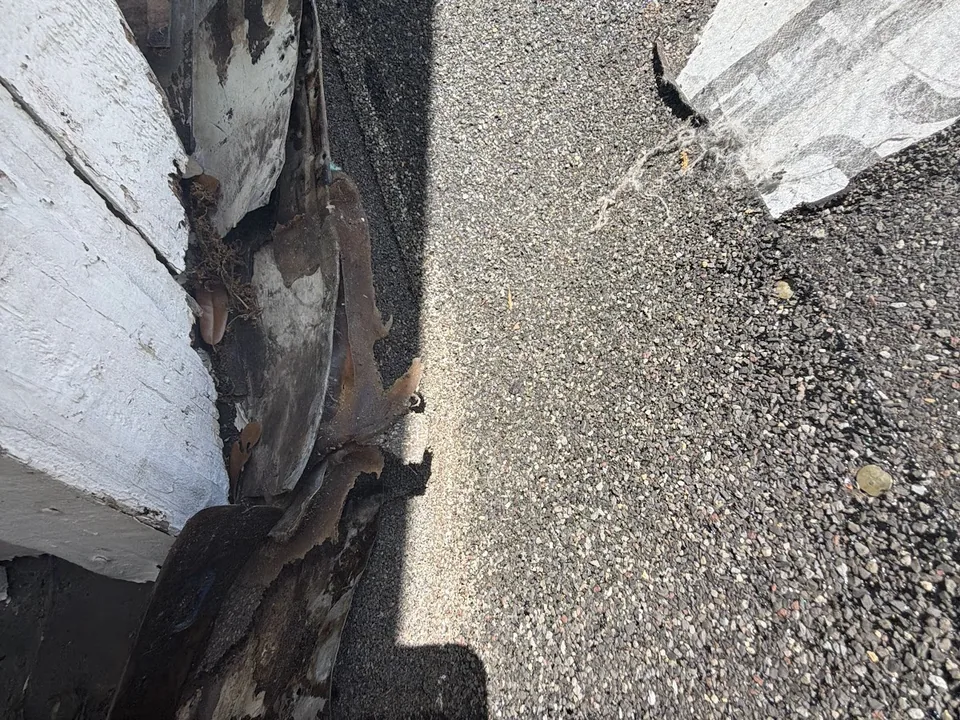
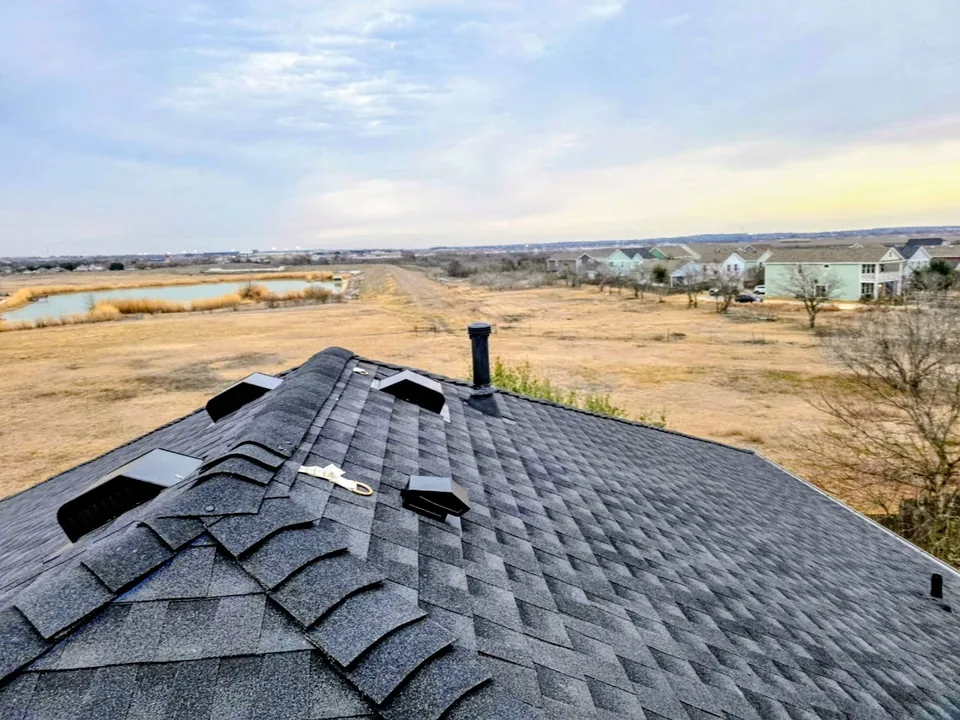
Photos from roofs we have worked on. Select one to enlarge it.
Field Videos
From the field
A real job, filmed and explained.
Nail Pops Mean Tune-Up Time | Round Rock, Texas
Nail pops on an older Round Rock, Texas roof: what a popped nail is, why it lets water in, and when a roof tune-up makes sense.
Watch on YouTubeMaintenance Questions
Roof maintenance questions, answered
Inspection cadence in Texas
How often should a Texas roof be professionally inspected?
Every two years, plus after any major weather event: hail of one inch or greater, or wind of 60 miles per hour or greater. Texas storm season makes the after-storm trigger the one that matters most.
How often does a roof need a tune-up?
Every two years for most Texas roofs. The tune-up interval is about staying ahead of sealant breakdown, which Texas UV accelerates, and a documented hail year is a reason to pull the next one forward.
Does maintenance really extend a roof’s life?
, mainly by catching small failures while they are still small.
Can I do roof maintenance myself?
Ground-level tasks like keeping gutters clear and watching for lifted shingles after storms, yes. Walking the roof, resealing penetrations, and flashing work belong with a professional, both for safety and because amateur sealant work often traps water instead of shedding it.
Is a tune-up the same as a repair?
No. A tune-up is preventive: sealing, securing, and clearing before failure. A repair addresses damage that has already happened. Consistent tune-ups are how you buy fewer repairs.
Does skipping maintenance void a roof warranty?
Manufacturer warranties assume periodic inspection and upkeep, per NRCA homeowner guidance. Deterioration that maintenance would have prevented can fall outside coverage. Keeping a documented maintenance record protects your position.
What roof maintenance should I do every year?
Twice a year, look: a ground-level walk-around with binoculars and an attic check with a flashlight, spring and fall. Twice a year, clear: gutters, valleys, and downspouts. After every significant hail or wind event, photograph and date what you can see. Professional hands touch the roof on a slower clock: an inspection every two years and a tune-up every two years, plus a look after any major storm.
Does a metal roof need maintenance?
Yes, but a different kind. The panels themselves can run for decades; what ages is the hardware: fasteners that back out as the metal expands and contracts, sealant washers that weather, and sealant joints at penetrations. A periodic check of those small parts is what keeps a metal roof on its long schedule.
Next Step